How to read this: Sumba Destination Wedding is an independent wedding-curation guide — we research and compare cliffside, beach, resort and intimate settings on Sumba, then route your enquiry to a vetted planning partner. We are not a wedding planner, venue, resort or booking platform, and any property named (including well-known names) is a neutral example only, not a claim of endorsement or affiliation. Legal marriage requirements for foreigners in Indonesia are complex — this is general information, not legal advice; always verify current rules with the relevant authorities. Costs are by quote and vary by season, party size and logistics; figures here are indicative ranges only.
A Sumba vs Lombok wedding comparison starts with a fact most travel articles quietly skip: these are two completely separate islands with no direct commercial air connection between them. Lombok is served by Lombok International Airport (LOP), roughly 400 km west of Sumba; reaching Sumba from Lombok means routing back through Bali (DPS) or, in some cases, via Kupang (KOE) in West Timor — there is no verifiable, stable direct Lombok–Sumba route as of this writing [FLAG: verify current schedules before planning]. That geographic reality shapes the entire comparison. If you are weighing a lombok or sumba destination wedding, you are not choosing between two nearby options — you are choosing between two islands with different levels of infrastructure, different aesthetic personalities, and significantly different planning burdens.
This piece exists because the Sumba vs Bali comparison is a different decision from the Lombok matchup. Lombok sits in a genuinely different position: more developed than Sumba but less packaged than Bali, better connected than Sumba but nowhere near Bali’s flight density, and capable of accommodating larger guest lists than Sumba while still feeling like a relative escape from the Bali wedding circuit. That middle-ground position makes the compare lombok sumba ceremony question worth answering on its own terms.
First: Clarify Where These Islands Actually Are
Lombok sits immediately east of Bali, separated by the Lombok Strait. Its main airport, Lombok International (LOP), is a modern commercial facility with jet service. Bali to Lombok takes roughly 25–35 minutes by air on a commercial flight, and there is also a fast-boat connection for travellers who want to arrive by sea. Lombok is, in many ways, the first island east of Bali on the Indonesian chain.
Sumba is significantly further east — roughly 400–450 km southeast of Bali, well into East Nusa Tenggara (NTT) province. It is reached via turboprop from Bali’s Ngurah Rai International Airport (DPS) to either Tambolaka Airport (TMC, serving western Sumba, official name Lede Kalumbang Airport) or Umbu Mehang Kunda Airport in Waingapu (WGP, eastern Sumba). Block time on the DPS–TMC route runs approximately 85 minutes. Guests whose wedding itinerary involves both Lombok and Sumba — common in honeymoon planning — should budget for Lombok → Bali → Sumba routing, which adds a full transit day depending on flight timing.
This matters for wedding planning because it affects how your guests get there, what contingency you need to build for delays, and how a lombok wedding alternative sumba comparison should actually be framed: not as nearby alternatives but as distinct destinations at different points on the infrastructure spectrum.
Access: Lombok Is Easier, Sumba Requires One More Hop
Lombok’s Connectivity
Lombok International Airport (LOP) handles commercial jets, including several routes from Singapore, Kuala Lumpur, and Australia’s major cities, in addition to dense domestic service from Jakarta, Surabaya, and Bali. For guests flying from Australia in particular, Lombok is achievable without a Bali layover on some routings — which is meaningful for elderly guests or anyone who wants to minimize transit time. The Gili Islands (Gili Trawangan, Gili Meno, Gili Air) are accessible by a fast-boat transfer of 30–45 minutes from Lombok’s northwest coast, giving wedding groups a secondary island option within easy reach of their main accommodation.
Transfers from LOP to the main resort areas — Senggigi, Kuta Lombok, the Gilis — run 45 minutes to an hour and a half depending on destination and road conditions. Roads in southern Lombok (the Kuta/Mandalika area) have improved significantly with the Mandalika Special Economic Zone (KEK Mandalika) development, which brought a racing circuit, international-branded hotels, and upgraded road infrastructure to a coastline that had very limited hospitality before roughly 2020.
Sumba’s Connectivity
Sumba’s connection always involves Bali. The Wings Air and Lion Air Group turboprop routes from DPS to TMC and WGP are genuine scheduled services — real flights, operating regularly — but flight-per-day counts should be verified against live schedules rather than assumed, as regional Indonesian aviation schedules shift seasonally. The turboprop crossing takes approximately 85 minutes to Tambolaka and slightly longer to Waingapu by geography.
Nihi Sumba, the island’s only fully-verified destination-wedding venue, sits on the southwest coast and is accessible from Tambolaka (TMC). The drive from the airport to the resort takes roughly 45–60 minutes on sealed roads that are decent by eastern Indonesian standards but not motorway-smooth. Door-to-door travel from most international departure cities to a Sumba resort runs 14–20+ hours depending on the Bali connection timing.
The practical upshot: Lombok is meaningfully easier to reach than Sumba for almost every guest profile. Wedding groups traveling to Lombok can manage the trip in a single travel day from most Australian or Southeast Asian origins. A Sumba itinerary typically requires building a Bali buffer night at each end — arriving a day before the Sumba connection and leaving a day after — which extends the total trip length and cost for every guest who attends.
Vendor Depth: Lombok Is More Developed Than Sumba, Though Less Than Bali
This dimension is where the three-island comparison becomes genuinely useful, because Lombok occupies a real middle position that is easy to misread in either direction.
What Lombok Offers
Lombok’s wedding-vendor ecosystem is more developed than Sumba’s — by a significant margin. There are local wedding photographers, planners, florists, and catering operations based on the island, concentrated primarily in Mataram (the provincial capital) and the Senggigi/Gili area. The Gili Islands have been hosting boutique weddings for over a decade; planners and photographers who work the Bali–Gili circuit are experienced at the smaller-property, intimate-ceremony format that defines island wedding photography in this part of Indonesia.
That said, Lombok is not Bali. The vendor pool is narrower, the tier of specialist (bridal HMUA, high-end floral designers, editorial photographers) thins quickly once you move beyond the Bali-based freelancers who travel the region. For anything above a straightforward intimate ceremony — complex florals, live entertainment beyond a small acoustic set, advanced AV and lighting — expect to either work with Bali-based vendors willing to travel to Lombok, or accept that the available local options will be more limited in style and specialization than what a comparable Bali brief would return.
What Sumba Requires
Sumba has almost no local wedding-vendor market. Bridestory’s Sumba listings consist primarily of venues, with a thin secondary layer of photographers — the majority of whom are Bali-based and travel to Sumba for bookings. The standard operating model for a Sumba wedding is: fly the vendor team in from Bali, budget their airfare, accommodation for a minimum of three to five nights (including travel-day buffers on each end), daily per diems, and any excess baggage costs for florals, equipment, or décor items that cannot be sourced locally.
Nihi Sumba’s in-house team covers the venue, all food and beverage, resort service staff, basic audio setup, and can incorporate Sumbanese cultural elements — a blessing by a Rato (village ritual authority), ceremonial horses, fire dancers, and local musicians. What arrives from outside: photography and videography, full floral design, bridal hair and makeup, advanced lighting and AV, and any entertainment beyond what the resort’s cultural program provides.
Vendor travel cost for a four-person photo-and-video team at the Sumba logistics rate — return flights, four nights accommodation, per diems — can add $4,000–$7,000 in overhead before a single image is taken. That line item simply does not exist at the same scale for a Lombok booking, where many photographers can drive to a ferry or take a short domestic hop.
Guest Capacity: Lombok Can Scale, Sumba Cannot
This is the most concrete decision point for couples with large guest lists.
Lombok’s Range
Lombok has a broader range of accommodation options than Sumba, including international-branded hotels at the Mandalika resort area (where the Pertamina Mandalika International Street Circuit brought significant global attention after 2021) and boutique resort clusters around Kuta Lombok and Senggigi. The Gili Islands have a concentration of small resort properties that, taken together, can accommodate meaningful group size across multiple venues. While Lombok cannot match Bali’s sheer volume of large-scale wedding venues, it can realistically accommodate wedding groups from the intimate elopement scale up to 80–120 guests with careful venue selection, particularly in the Mandalika/Kuta Lombok corridor.
There is no single Lombok equivalent to Nihi Sumba’s buyout model at the ultra-luxury tier — but Lombok offers more venues with event capability across a wider range of price points, which gives couples more negotiating room and more planning flexibility.
Sumba’s Hard Ceiling
Nihi Sumba’s wedding program accommodates approximately 70 adults at full-resort buyout capacity, across roughly 36 rooms and approximately 27 villas. (Nihi’s own materials have published slightly different numbers in different places — treat 70 adults as the planning ceiling and verify the current configuration directly with the resort.) No other property on Sumba currently has a verified formal wedding program, and Cap Karoso and Lelewatu Resort, both of which are real and well-regarded, should be contacted directly to confirm their event capabilities before any assumptions are made.
Beyond the single-property ceiling, guest overflow becomes genuinely difficult on Sumba. There is no cluster of equivalent-quality boutique properties within easy transfer distance of Nihi. Moving overflow guests to mid-range Sumba accommodation creates a significant gap in experience between what the bridal group is staying in and what the secondary accommodation provides — and the road transfers involved are measured in travel time that adds friction to every group activity.
If your combined guest list is above 80 people, and particularly above 100, Sumba is structurally not the right venue. This is not a funding or planning issue. It is a function of how few high-quality rooms exist on the island.
- Realistic guest capacity
- Lombok: Approximately 20–120+ depending on venue; boutique properties can handle 20–50 comfortably; Mandalika-corridor developments extend the ceiling higher. Sumba: ~20–70 at a single luxury property; very large weddings are not realistic.
- Multi-property coordination
- Lombok: Easier — the Gili Islands in particular have multiple properties within fast-boat distance of each other. Sumba: Properties are spread across a large, sparse island; road transfers between venues are long and unpredictable.
- Overflow accommodation quality
- Lombok: Reasonable range at different price points. Sumba: Large quality gap between Nihi-tier and the island’s mid-range options.
Cost: Both Are Above Bali Baseline, Sumba Significantly More So
Bali is the price benchmark for Indonesian destination weddings. Both Lombok and Sumba run above it, but for different reasons and by different amounts.
Lombok’s cost premium over Bali is relatively modest at the mid-range intimate level. You pay a small logistics uplift for vendors who travel from Bali, a slight premium on locally-sourced goods that are less abundant than Bali’s supply chains, and potentially a premium on any villa or boutique property that commands a scarcity price relative to its quality. But the gap is manageable. A couple planning an intimate 30-person wedding on Lombok should not expect to pay dramatically more than a comparable Bali event — perhaps 15–30% above Bali rates for an equivalent experience, as a rough planning estimate [FLAG: get quotes, this varies by vendor, property, and season].
Sumba’s cost premium over Bali is structural and substantially larger. The fly-in vendor model adds cost at every production level. Florals that arrive from Denpasar by air have freight and spoilage risk baked in. Every vendor night on the island is an accommodation cost. The thin local supply chain means there is no competitive tension keeping prices in check the way Bali’s mature market does. And ultra-luxury buyout pricing at Nihi-caliber properties operates on a completely different scale from even the higher end of what a Bali villa or clifftop venue charges.
To give rough planning frames — all figures are estimates only, not quotations; obtain quotes directly from venues and vendors before finalizing any budget:
| Format | Bali (reference) | Lombok (estimate) | Sumba (estimate) |
|---|---|---|---|
| Elopement / symbolic, 2–10 guests | $1,500 – $10,000 | $5,000 – $18,000 | $10,000 – $30,000+ |
| Intimate ceremony, 20–40 guests | $10,000 – $40,000 | $18,000 – $55,000 | $40,000 – $120,000+ |
| Full luxury / resort buyout, 40–70+ guests | $40,000 – $150,000+ | $50,000 – $120,000+ | $80,000 – $250,000+ |
These brackets are planning estimates only. They should not be quoted or relied upon as specific venue rates. Sumba’s ultra-luxury tier is fully quote-driven — Nihi Sumba does not publish pricing and buyout figures must come directly from the resort. No referral fee we may receive from any operator changes what we publish here; if you use our free planning help and proceed with a partner or venue, they may pay us a referral fee at no extra cost to you.
The structural cost drivers on Sumba that Lombok avoids or softens:
- Vendor airfare and accommodation: A four-person photo and video team flying DPS–TMC return, staying four nights, costs $4,000–$7,000 in travel overhead alone. The equivalent trip from Bali to Lombok is a short hop or a fast boat — materially lower cost.
- Freight and logistics: Florals, décor, specialty F&B items, and AV equipment that cannot be sourced locally must travel to Sumba. Lombok’s proximity to Bali makes these logistics manageable. Sumba’s distance makes them a real planning and budget line.
- Contingency margin: Experienced Sumba planners build significant contingency into quotes for weather delays, connection disruptions, and regional logistics. Lombok’s easier access means this buffer is smaller and less frequently triggered.
- Planner specialist premium: Very few planners have deep Sumba experience. Those who do command a premium for the specialization. Lombok planners are more abundant and more competitively priced.
If you are mid-budget and want more than Bali’s familiar circuit but are not prepared for Sumba’s full logistics bill, Lombok is a rational middle path. It offers genuine beauty and intimacy at a cost that is notably lower than Sumba for comparable production values.
Want to talk through what your specific guest count and ceremony vision would cost on each island? Our enquiry form connects you with planners who have worked both. You can also reach us on WhatsApp at +62 811-3941-4563 — we respond within a business day and won’t push you toward either island until the fit is clear.
Landscape and Setting: Two Very Different Aesthetic Registers
Lombok and Sumba are both beautiful. That observation is also where the similarity ends.
What Lombok Looks Like
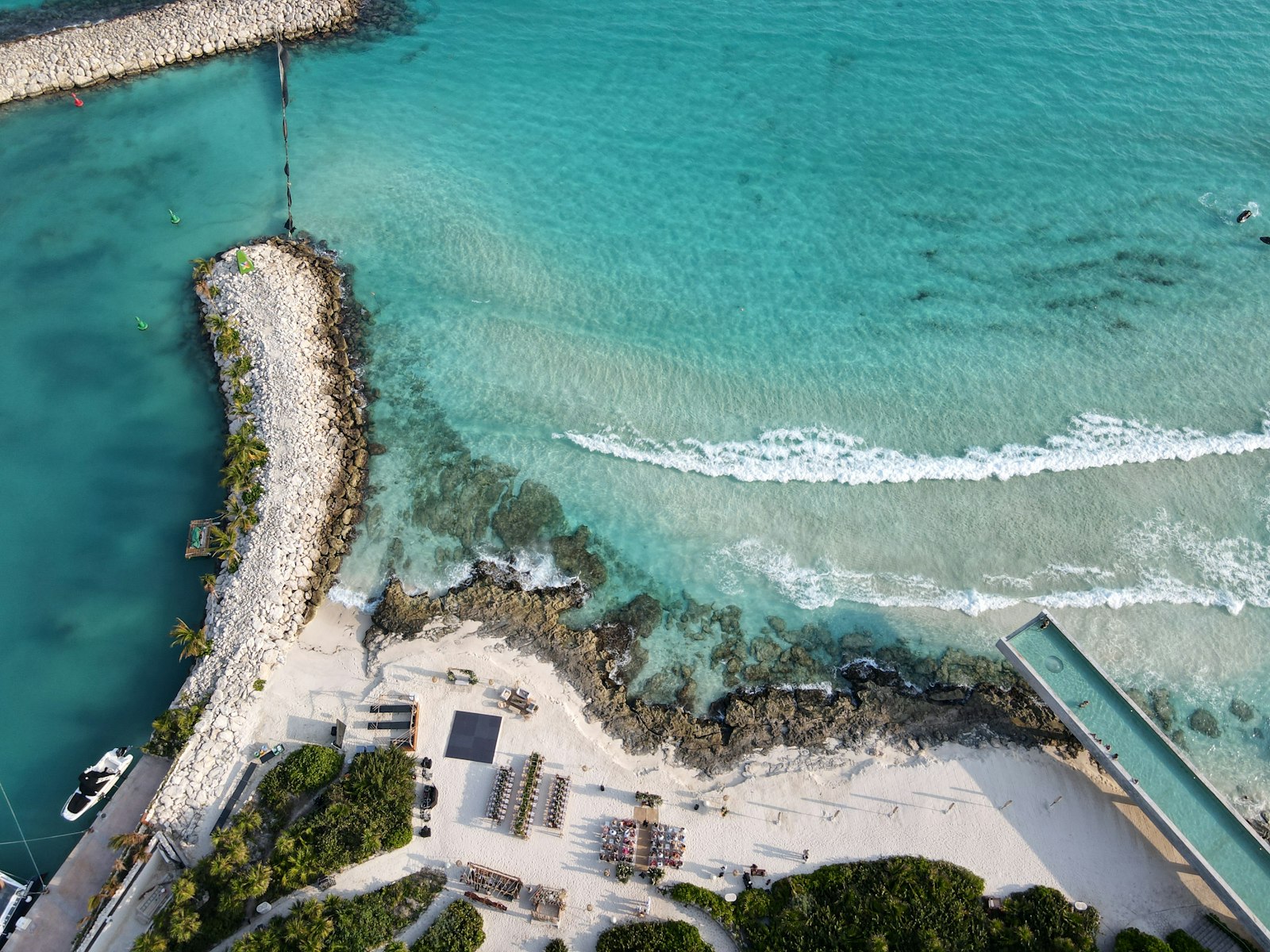
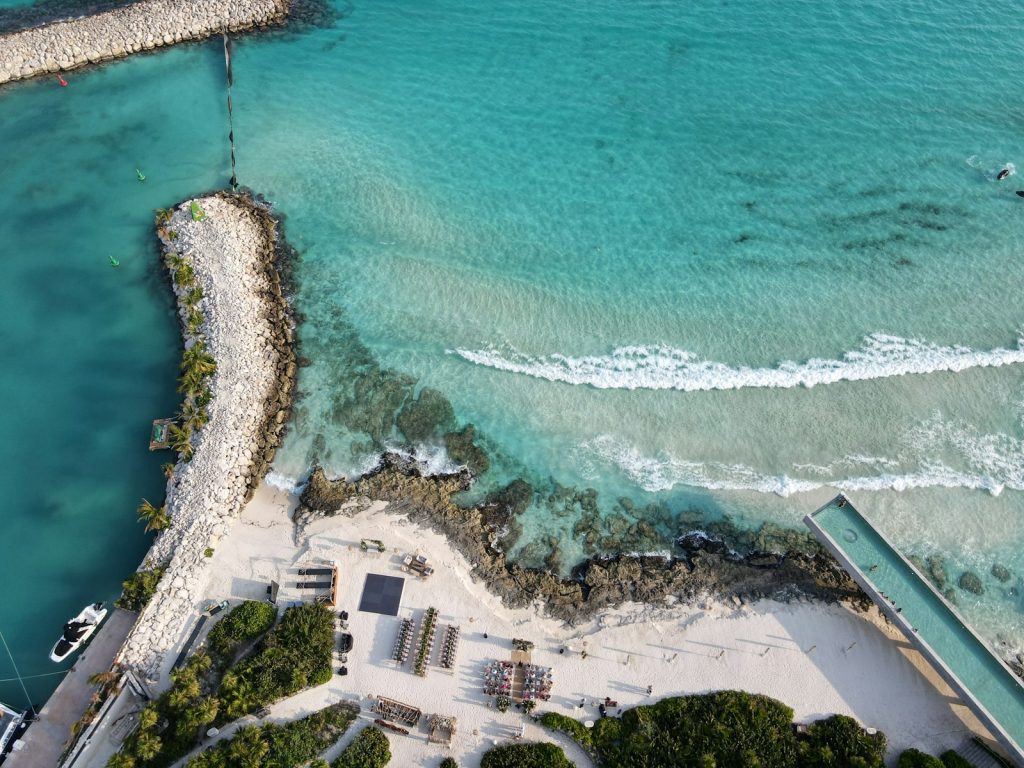
Lombok is a volcanic island — Mount Rinjani (3,726 m) dominates the north, and the island’s geology produces the kind of lush, forested green landscape that tropical Indonesia is broadly known for. The southern coast, particularly around Kuta Lombok and the Mandalika peninsula, offers white-sand beaches, turquoise water, and a visual register that is closer to — but distinctly less crowded than — southern Bali. The Gili Islands are flat coral platforms surrounded by crystalline shallows; the aesthetic there is all pale sand, transparent water, and swaying palms, better suited to a beachside-barefoot ceremony than to dramatic clifftop imagery.
Lombok is genuinely beautiful. It photographs well. The southern beaches are less photographed than Bali’s Uluwatu cliffs. And for couples whose priority is a relaxed, beach-centred celebration that does not require the full operational planning effort of a remote-island expedition, Lombok delivers that without the complication.
What Sumba Looks Like
Sumba is not a volcanic island. Its geology is limestone-based, which produces a completely different landscape: open savannah, low rolling hills, dramatic limestone cliffs dropping directly to the Indian Ocean, and virtually no jungle canopy. The island covers 10,909 km² with a population of approximately 852,000 — enormous land area, sparse habitation. During the dry season (June–September), the grasslands turn a deep gold-brown under a sharp blue sky. The combination of savannah, cliff, private beach, and indigenous village architecture creates imagery that looks unlike anything else in Indonesia — or, for that matter, anywhere in Southeast Asia.
Nihi Sumba’s 2.5-kilometre private beach sits against this backdrop. The resort is on the southwest coast; ceremonies can be set on the beach itself, on clifftop perches above the surf, in garden clearings flanked by palms, or within the villa grounds. The fact that no other property on this stretch of coast hosts public tourists — because the resort controls the surrounding land — means your ceremony photographs contain exactly the beach and the horizon and nothing else.
A note on wind: the same Australian SE monsoon that makes June–August so reliably dry also drives strong winds along south-facing coasts. Ceremony sites on exposed south-facing cliffs or beaches will be windy in peak dry season. Tall floral structures need anchoring, candles are impractical outdoors, and floating fabric décor requires wind planning. This is worth discussing explicitly with your venue and planner when reviewing ceremony site options — a west- or north-facing orientation will be more sheltered during this period.
The Exclusivity Gap
The Gili Islands receive a substantial number of visitors — Gili Trawangan in particular is a well-established stop on the Southeast Asia backpacker and dive circuit. Kuta Lombok has been developing rapidly and will see more visitors as the Mandalika zone matures. Neither feels like a secret. Both are beautiful and have real appeal for destination weddings, but neither offers the sense of having arrived somewhere most people have never been.
Sumba, by contrast, receives a fraction of Lombok’s visitor numbers. Tourism infrastructure outside the resort cluster is minimal. The landscape beyond the resort gate is functional working savannah. The silence at night — outside the resort’s own gentle soundtrack — is the silence of an island that has not been turned into a destination product. That is the specific quality some couples will pay significantly above Lombok rates to access, and it is the quality that makes Sumba irreplaceable as a wedding setting for the couples it suits.
Culture: Lombok’s Sasak Traditions vs Sumba’s Marapu Depth
Both islands have distinct indigenous cultures that pre-date Indonesian nationhood. Neither should be treated as a scenic backdrop.
Lombok
Lombok’s indigenous Sasak people are predominantly Muslim — a significant distinction from Bali’s Hindu majority. The traditional Sasak culture includes its own weaving traditions, architecture (the cylindrical bale tani village house), and ceremonial practices. The island also maintains a small Balinese Hindu community in some northern areas, a legacy of historical Balinese rule. For weddings, this cultural context rarely becomes a core ceremony element — most destination-wedding couples in Lombok engage primarily with the landscape and the venue, not the Sasak cultural program. Some boutique properties near traditional villages offer cultural tours or introductions, but a structured Sasak ceremony integration into a destination wedding is not the standard offering.
Sumba
Sumba’s indigenous tradition, Marapu, is an ancestral and animist belief system still actively practiced — often alongside Christianity — in much of the island’s interior. Village life is organized around megalithic stone tombs, peaked thatched-roof clan houses (uma), and an agricultural and ritual calendar that governs major life events including marriage. The Tenun Ikat Sumba weaving tradition — where threads are resist-dyed before weaving in patterns that carry ancestral meaning — forms part of ceremonial gift exchange at real Sumbanese marriages. The Pasola (a sacred ritual mounted-spear event tied to the lunar calendar, usually February–March in West and Southwest Sumba) demonstrates how active and unmediated this cultural life remains.
Nihi Sumba’s wedding program can incorporate a blessing by a Rato — a village ritual authority whose role in Sumbanese ceremony is genuine, not performative. The specifics of how this blessing works, what it means, and how it should be approached with appropriate respect are worth discussing seriously with the resort’s events team before including it in your program. A ceremony element drawn from Marapu tradition deserves handling with care and real cultural context. For couples who care about this, it is one of the most distinctive and meaningful things available at any destination wedding venue in Southeast Asia. For couples who simply want a beautiful outdoor ceremony, it is entirely optional.
Weather: Both Have Dry Seasons, Sumba’s Is More Extreme
Lombok and Sumba both have pronounced dry and wet seasons driven by the Indonesian monsoon system. The wedding planning implications differ in a few ways worth knowing.
Lombok’s dry season runs broadly from May to October, with July and August typically the most reliable months. It is a tropical island with meaningful rainfall in the wet season (November to March), and while the dry season is genuinely dry, Lombok receives more annual rainfall than much of Sumba — it is, after all, a lush volcanic island. The variability within the dry season is also more notable than on Sumba.
Sumba’s climate is semi-arid. The island’s overall annual rainfall is significantly lower than Bali’s and considerably lower than comparable volcanic islands — the northeast of Sumba receives as little as 800–1,000 mm per year. The core dry season (June, July, August, September) is very reliable; mid-June through late August is widely considered the best wedding window because the combination of clear skies, comfortable temperatures (30–32°C daytime, 22–25°C at night), and low humidity is consistent across weeks rather than just days. The wet season on Sumba (November through March/April, with peak rain December to February) is genuinely wet — outdoor ceremonies without solid covered backup plans are not advisable in this window on either island.
The savannah landscape, which is Sumba’s most distinctive visual asset, reaches its most photogenic golden-brown during July through September. From late April through early June, the hills carry residual green from the wet season — beautiful in a different way. This seasonal shift is worth knowing if landscape colour is part of your ceremony vision.
One condition that Lombok avoids but Sumba does not: the strong SE monsoon winds that hit Sumba’s south-facing coasts during July and August. These winds make Sumba dry and clear, but they also mean exposed clifftop and beach sites can be very breezy during what is statistically the best wedding weather. West-facing and north-facing ceremony sites at Nihi Sumba are more sheltered. Talk to your venue and planner about site orientation before fixing your ceremony location.
Health and Practical Considerations
Two considerations that genuinely differentiate Sumba from Lombok from a guest logistics standpoint.
Malaria (information only — not medical advice)
Sumba and the broader East Nusa Tenggara region are classified as areas with ongoing malaria transmission in most travel-medicine guidance. Lombok is generally not included in this classification in the same way — it sits closer to Bali on the risk spectrum. This does not mean a Sumba wedding is dangerous; many thousands of visitors travel to eastern Indonesia safely every year. It does mean couples and all guests should consult a qualified travel-medicine clinic several weeks before travel about prophylaxis options for a Sumba itinerary. Dengue is present across both islands (day-biting Aedes mosquitoes) and bite prevention is good practice everywhere. This is information, not medical advice — your doctor advises on your specific situation.
Medical facilities and evacuation
Lombok has better-equipped medical facilities than Sumba and is closer to Bali’s hospitals. Sumba’s medical infrastructure is basic; serious cases require evacuation to Bali or Jakarta, making travel insurance with medical evacuation cover non-negotiable for a Sumba trip. For wedding groups with elderly guests, guests with chronic conditions, or anyone who might need rapid access to specialist care, this is a meaningful planning consideration. Lombok is a more comfortable choice for groups with these needs.
Cash and connectivity
Sumba’s ATM coverage is limited and machines can be offline or empty in smaller towns. Mobile data is patchy outside main centres. The practical recommendation for any Sumba guest: withdraw adequate Indonesian rupiah in Bali before boarding the Sumba connection, carry two payment cards, and set realistic expectations about internet access outside the resort. Lombok’s ATM infrastructure and data coverage are better, though still not Bali-standard — withdraw in Mataram or at the airport, not in village areas.
Legal Marriage: Same Rules on Both Islands
Indonesia’s marriage law applies identically across both Lombok and Sumba. The requirements: marriage must be performed under one of Indonesia’s six recognized religions (Islam, Protestant Christianity, Catholicism, Hinduism, Buddhism, Confucianism), both partners must share the same religion, and each partner must obtain a Certificate of No Impediment (CNI) from their home country’s embassy before the ceremony. Non-Muslim couples additionally register with the Civil Registry (Catatan Sipil) after the religious ceremony to receive an Akte Perkawinan.
The most common approach among international couples: marry legally at home, hold a symbolic or blessing ceremony in Indonesia. This is not a workaround — it is the path most experienced planners recommend because it removes the same-religion requirement, the CNI complexity, and the local paperwork from the Indonesia leg of the event. A symbolic ceremony in Lombok or Sumba carries no Indonesian legal status but every emotional and cultural significance the couple chooses to give it. For full detail on legal requirements including the CNI process by nationality, see our legal requirements guide.
Honest Verdict: Who Should Choose Each Island
After more than a decade covering destination weddings in eastern Indonesia, this is how I would frame the decision for a couple genuinely choosing between Lombok and Sumba.
Choose Lombok if: your guest list is above 60–70 people; your budget is mid-range and you want good value rather than maximum remoteness; your guests include anyone with significant mobility limitations or medical considerations; you want a beach-and-water-centred celebration with access to the Gili Islands; you need vendor options that do not entirely depend on Bali fly-in logistics; or the planning timeline is shorter than 12 months and you need reliable vendor availability without the lead time Sumba requires.
Choose Sumba if: your guest list is 70 or fewer and you want everyone at the same property; privacy and exclusivity are primary values — not just boutique-resort private but genuinely-remote-island private; the landscape and ceremony aesthetic matter as much as logistics; your budget can absorb the fly-in vendor costs and the ultra-luxury buyout pricing at the top tier; and you want a cultural dimension — the Rato blessing, the Sumbanese horses, the ikat tradition — that is not available anywhere else in Indonesia. Sumba also suits couples who have already done Bali (for a honeymoon, or a previous event) and want something that feels categorically different.
The honest middle path: Lombok is a better first choice for couples who want to stretch beyond Bali without accepting Sumba’s planning intensity. It is a real and beautiful destination for a destination wedding. It is not, however, Sumba. If the untamed savannah landscape, the depth of Marapu culture, and the specific quality of having three or four days with your closest people on an island most of them have never heard of — if those things matter more than convenience — then Lombok is a step toward what you want, not the destination itself.
Talking through which island matches your specific situation is exactly what our planning concierge is for. Use our enquiry form or message us on WhatsApp at +62 811-3941-4563. We cover both islands without a stake in which one you choose, and most couples find that a 20-minute conversation clarifies the decision faster than another hour of reading comparison articles.
Quick Reference: Sumba vs Lombok at a Glance
| Dimension | Lombok | Sumba |
|---|---|---|
| Airport | LOP (Lombok International) — commercial jets | TMC (Tambolaka/Lede Kalumbang) or WGP (Waingapu) — turboprop from Bali |
| From Bali (air) | ~25–35 min commercial flight (or fast boat) | ~85 min turboprop, always via Bali; no direct Lombok–Sumba route [FLAG] |
| Vendor depth | Moderate — local vendors exist; Bali freelancers travel easily | Thin — almost all specialists fly in from Bali; significant overhead cost |
| Guest capacity (single venue) | ~20–120+ depending on venue choice | ~20–70 at verified luxury venue (Nihi Sumba); hard ceiling |
| Cost vs Bali baseline | Modest premium (~15–30% estimate) | Significant premium; fly-in logistics inflate every line item |
| Landscape | Volcanic, lush, white-sand beaches, Gili Islands nearby | Limestone savannah, limestone cliffs, private beach, Indian Ocean — unique |
| Exclusivity | Moderate — less visited than Bali but developing rapidly | High — fraction of Lombok visitor numbers; island itself remains remote |
| Dry season reliability | May–October, good; July–August most reliable | June–September, very reliable; mid-June to late August optimal |
| Malaria risk region | Generally lower risk (verify with travel doctor) | Ongoing transmission reported in NTT — consult travel medicine before travel |
| Medical facilities | Better equipped; closer to Bali hospitals | Basic — serious cases require evacuation; travel insurance essential |
| Cultural ceremony integration | Sasak culture; not typically integrated into wedding programs | Rato blessing, Sumbanese horses, ikat — distinctive and available at Nihi |
Frequently Asked Questions
Is there a direct flight from Lombok to Sumba?
There is no verifiable, stable direct commercial route between Lombok (LOP) and Sumba (TMC or WGP) as of this writing. The standard routing is Lombok → Bali (DPS) → Sumba, or in some cases via Kupang (KOE) in West Timor. Couples and guests whose itinerary combines both islands should budget a full transit day at Bali between the two legs. Check live schedules with airlines close to your travel date — Indonesian regional aviation changes seasonally — but do not plan a same-day Lombok-to-Sumba connection without confirming the route exists and has adequate connection time.
Is Lombok a good lombok wedding alternative to Sumba?
Lombok is a genuine alternative if your priorities are a lower-logistics, better-connected, lower-cost island wedding that still feels distinctly Indonesian and removes you from the density of the Bali wedding circuit. It is not a substitute for Sumba if what draws you to Sumba is the untamed savannah landscape, the depth of Marapu culture, the Rato blessing, or the specific quality of a full resort buyout on an island most of your guests have never heard of. Think of Lombok as a different destination with real merits in its own right — not a budget version of Sumba.
Which island is better for a small group ceremony, lombok or sumba destination wedding?
Both handle small groups (under 30 guests) well structurally. The choice comes down to aesthetic priorities and budget. Lombok can accommodate an intimate ceremony at a boutique villa or Gili Islands resort for meaningfully lower cost than Sumba, with easier guest logistics. Sumba’s intimate scale at a venue like Nihi delivers a more remote, more culturally layered experience at a higher all-in cost — including fly-in vendor overheads that are proportionally larger on a small budget than a large one. For elopements or micro-weddings of 2–10 people, Sumba can still be cost-justifiable if the landscape is the point; for groups where budget efficiency matters more than remoteness, Lombok is the more rational choice.
What’s the main cost difference when you compare lombok sumba ceremony options?
The primary driver is vendor logistics. Lombok’s proximity to Bali — a short flight or a fast-boat-and-hop away — means vendors can travel without the overnight stays, per diem costs, and airfare premiums that Sumba demands. A four-person photography and video team working a Lombok wedding might add $1,000–$3,000 in travel overhead; the same team flying DPS–TMC return with four-plus nights accommodation adds $4,000–$7,000 before the first image. Florals, specialty F&B items, and AV equipment face similar freight cost differentials. Add the general supply-chain thinness of a remote island and the premium at the only ultra-luxury buyout property, and Sumba sits meaningfully above Lombok at every production level. Both islands are above Bali.
Do I need to know about malaria risk for either Lombok or Sumba?
Lombok is generally not flagged at the same malaria-risk level as eastern Indonesia — it sits closer to Bali on the transmission risk spectrum, and most travel-medicine guidance does not recommend prophylaxis for standard Lombok travel (verify with your doctor, as guidance evolves). Sumba and the broader East Nusa Tenggara region do carry ongoing malaria transmission and routinely appear in travel-medicine advice for eastern Indonesia. All guests attending a Sumba wedding should consult a travel-medicine clinic well before travel — several weeks in advance to allow time for any prophylaxis regimen to begin. This is information only; medical decisions belong with a qualified doctor, not a wedding planning guide.