Plan Your Sumba Wedding
Tell us the celebration you have in mind. We reply on WhatsApp with a curated venue shortlist plus honest notes on logistics, season and legal requirements, and introduce you to a vetted planning partner. We are an independent guide — not a planner, venue or booking platform.
Free, no obligation. We curate & introduce a vetted partner — we do not own venues or take bookings. Legal info, not legal advice.
Wedding Settings
Dramatic ocean cliffs, white-sand beaches, a private resort or an intimate elopement — we curate the right Sumba setting and arrange it through a vetted partner.

Cliffside Venues
Explore cliffside →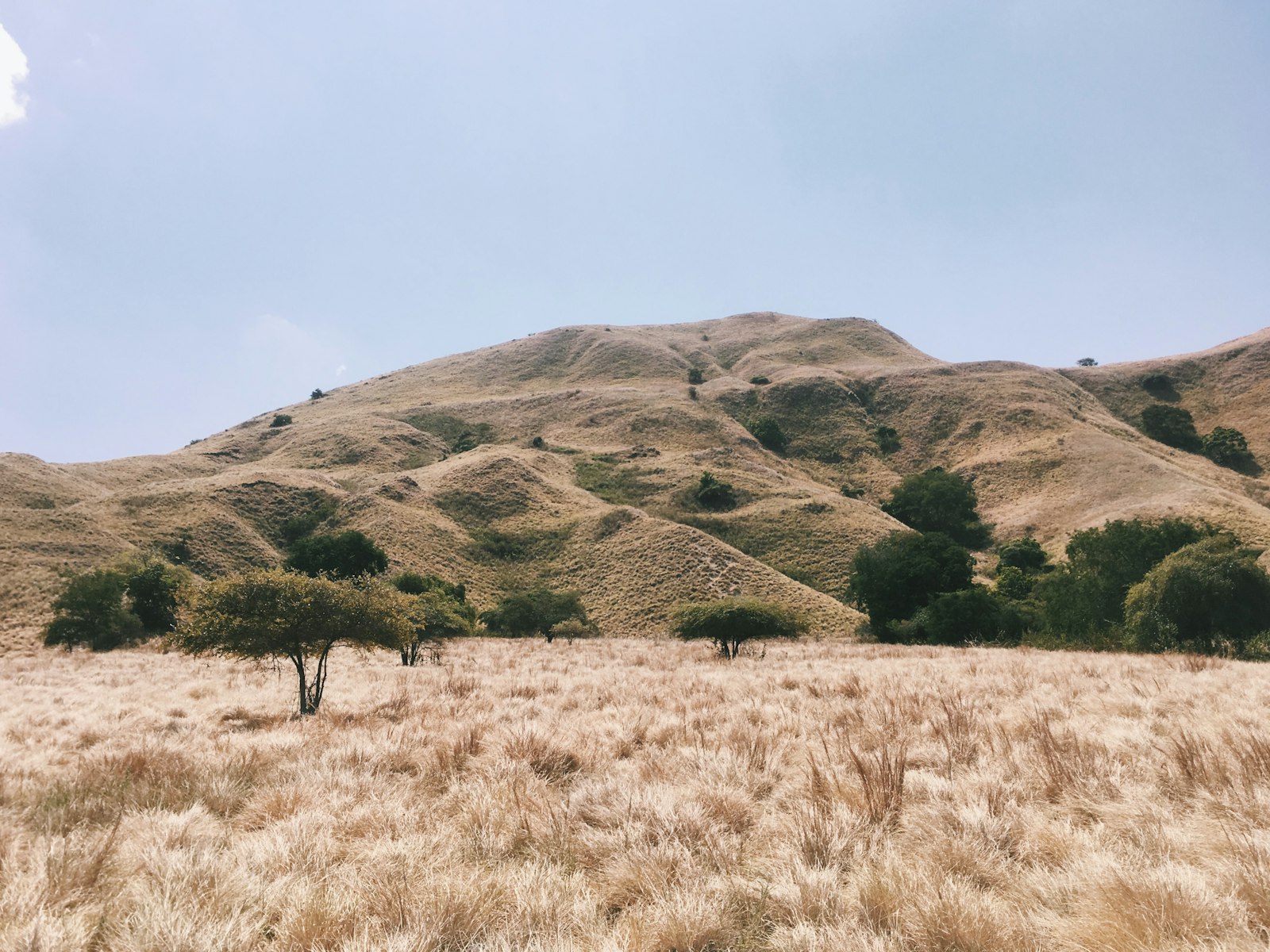
Beach Weddings
Explore beach →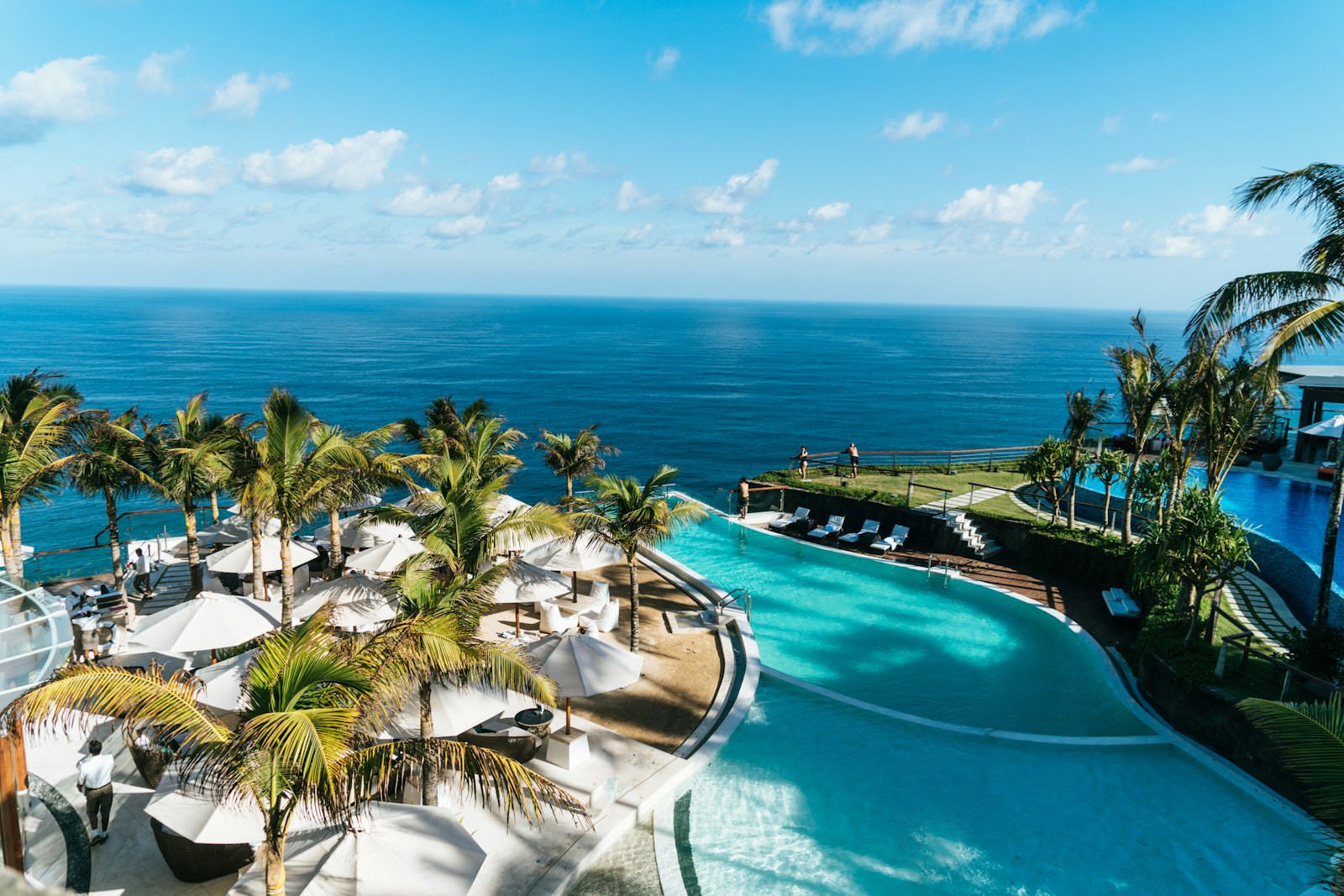
Resort & Villa
Explore resorts →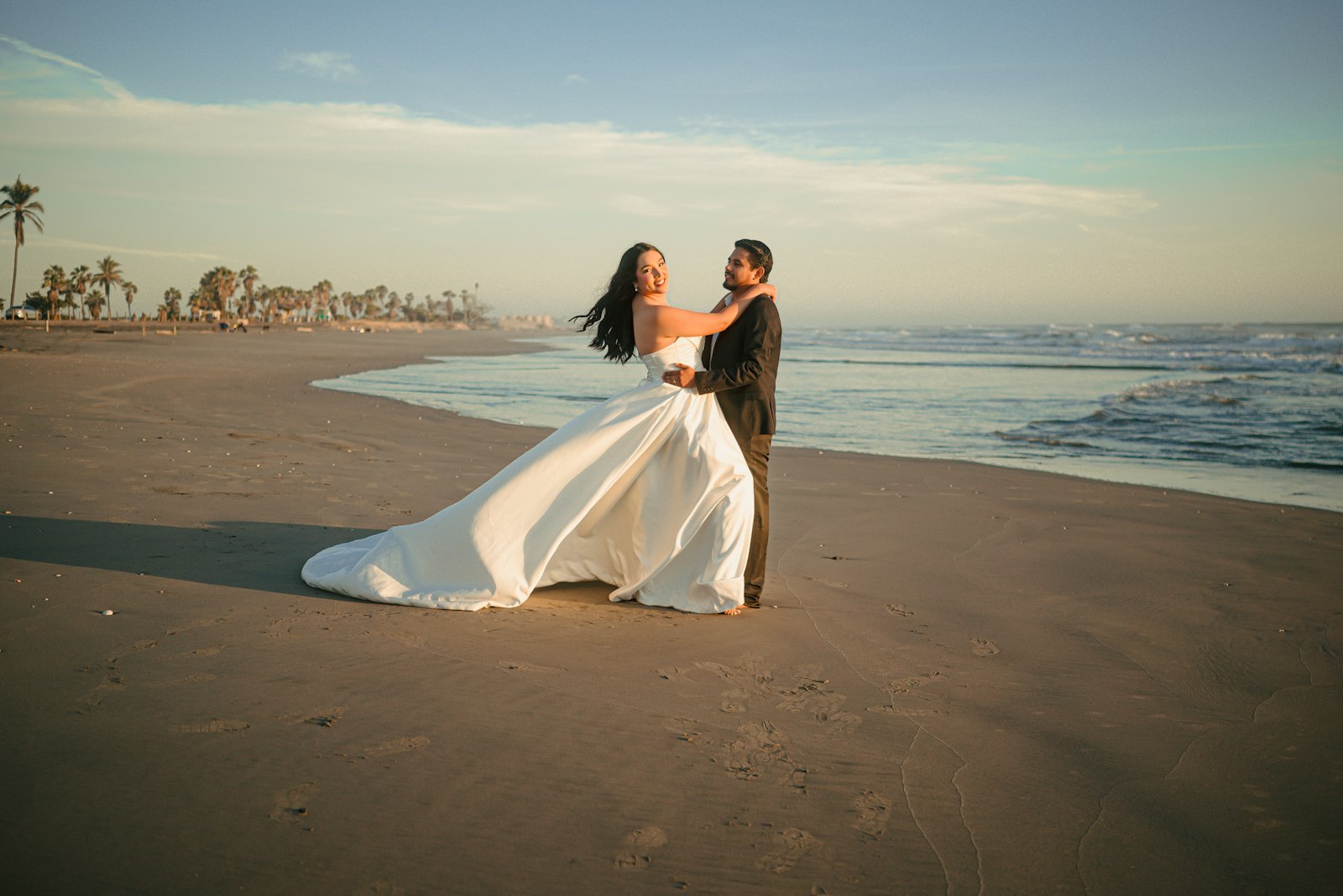
Elopement & Intimate
Explore elopement →Plan With Confidence
Legal facts, realistic costs, the right timeline and how to actually get there — the practical side of a Sumba wedding, told honestly. Costs are by-quote ranges that move with venue, season and guest count.
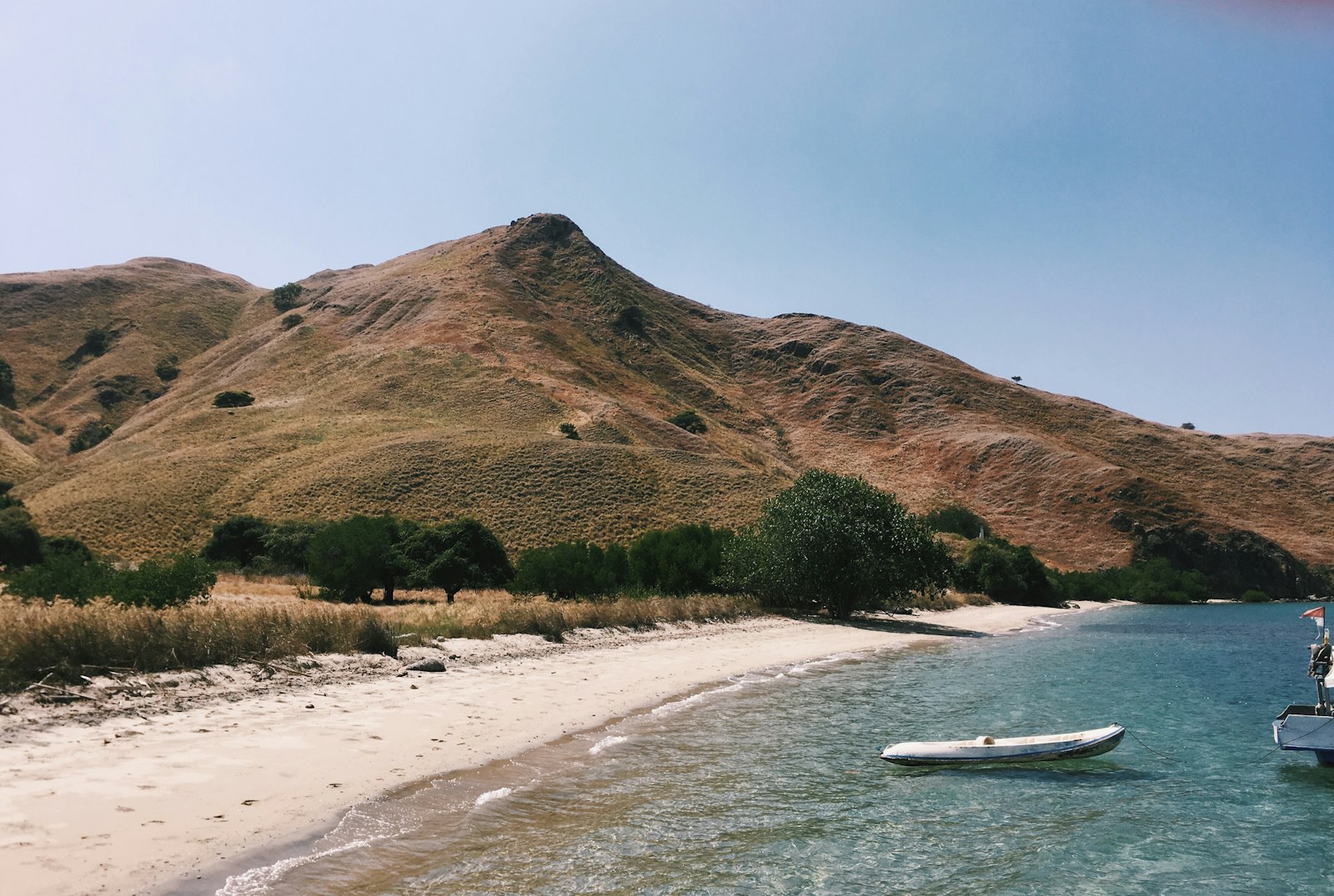
Legal Requirements
Read first →
Cost Guide
See ranges →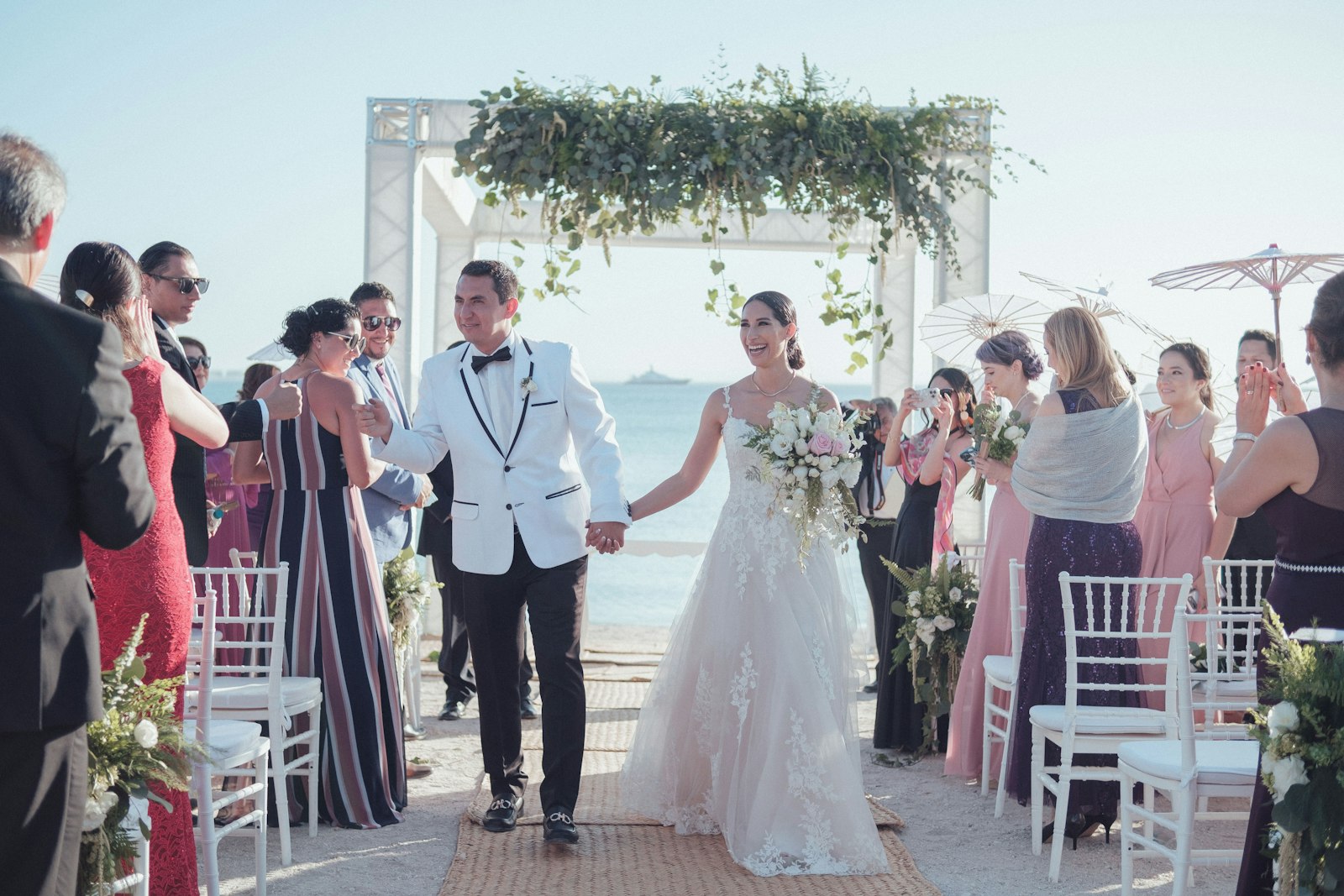
Planning Timeline
See timeline →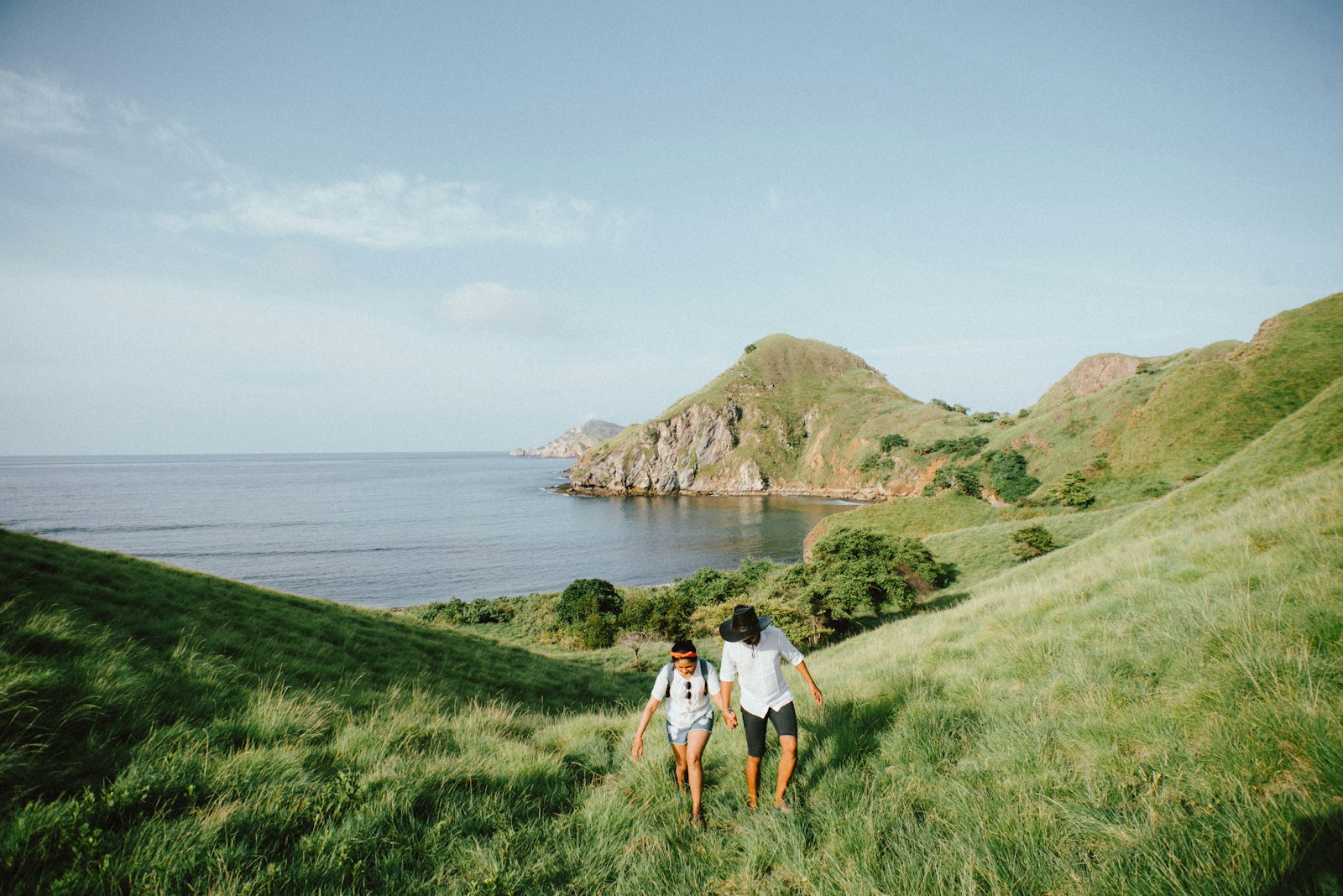
Getting There
Plan travel →Why Sumba Destination Wedding
Independent Curation
We are a guide, not a planner or venue. We curate and compare Sumba settings on the merits and tell you the trade-offs plainly.
Vetted Partner
When you are ready, we route your enquiry to a vetted wedding partner — our guidance is free; they may pay a referral fee at no extra cost to you.
Honest Pricing
No fixed-rate fiction. We give realistic by-quote ranges that move with venue, season, guest count and how much you fly in.
Sumba-Smart Logistics
We know the Tambolaka and Waingapu routes, the transfers and that remote-island weddings often fly vendors in — so the day actually works.
How It Works
Free, no-obligation — three steps.
Tell us your wedding
Style, dates, guest count and the setting you picture — cliffside, beach, resort or an intimate elopement.
Curated venue shortlist
We come back with suitable Sumba venues, an honest indicative budget, season notes and the legal facts to verify — no hard sell.
We arrange via vetted partner
When you are happy, we route your enquiry to a vetted wedding partner who delivers the day. We curate; they arrange.
A Sumba destination wedding is a ceremony — symbolic, legal, or both — held on Sumba Island in East Nusa Tenggara (NTT), roughly 600 km southeast of Bali. The island sits about 75 to 90 minutes by turboprop from Ngurah Rai (DPS) into either Tambolaka Airport (TMC) in the southwest or Umbu Mehang Kunda Airport (WGP) in the east. What makes a wedding in Sumba Indonesia genuinely different from a wedding in Bali is not just the scenery — limestone cliffs dropping to a 2.5-kilometre private beach, open savannah that turns gold in July, villages where peaked thatched roofs crowd around megalithic stone tombs. It is the scale. There are no mega-resorts here, no 300-room chain hotels, no planner conveyor belt. This is an intimate-wedding island, best suited to guest lists of roughly 20 to 70 people, and that constraint is not a limitation so much as the whole point.
This site is an independent curation and information guide. We are not a planner, a venue, an operator, or a booking platform. We do not sell packages. What we do is gather, verify, and honestly assess what is actually available for couples considering a Sumba island wedding — so that when you sit down with a specialist, you are not starting from zero. If you decide to plan with a vetted partner we can connect you with, that partner may pay us a referral fee at no extra cost to you; no one can pay to change what we write.
Why Sumba? The Honest Case for This Island
Sumba is not easy. That is the first thing a responsible guide should say. The island covers 10,909 square kilometres and had a population of roughly 852,000 as of mid-2025, spread across four regencies: West Sumba, Southwest Sumba (where Tambolaka airport sits), Central Sumba, and East Sumba with its capital Waingapu. Roads between the west and east of the island can take six hours or more. Mobile data is patchy outside the main towns. ATMs exist but are known to run dry. Medical facilities are basic — serious emergencies require evacuation to Bali or Jakarta, which is why travel insurance with medical evacuation cover is not optional here, it is mandatory common sense.
So why do couples choose it? Because when a wedding ceremony actually fits this place — intimate, unhurried, shot through with real Sumbanese culture — it produces something that Bali’s assembly line of picture-perfect venues cannot replicate. The island’s terrain is limestone-based, not volcanic, which gives it a quality distinct from the rest of Indonesia: rugged, spare, dramatic in a way that owes nothing to lush tropics. The dry-season savannah from June through October turns the colour of old straw. The cliffs on the southwest coast are stark. The sky, away from any town, is the kind of dark you only get this far from a city. Couples who want their ceremony to feel earned, and private, and genuinely unlike a catalogue, come here.
The One Verified Wedding Venue — and the Ones to Check
We apply a strict editorial standard: a venue only appears on this site without a [VERIFY] flag if we can confirm, through the property’s own public-facing materials and credible third-party documentation, that it actively offers a wedding program. By that standard, one venue on Sumba qualifies with confidence.
Nihi Sumba — Verified
Nihi Sumba (formerly Nihiwatu), on the southwest coast in the Wanukaka area of West Sumba, is the island’s only confidently verified destination-wedding venue. It operates an explicit Celebrations program with a published wedding brochure, has a track record of real weddings documented in film and on platforms including Bridestory, and describes itself as the sole full-service five-star resort on Sumba. The property spans approximately 560 acres and 2.5 kilometres of private beach.
Nihi’s own pages are slightly inconsistent on exact room and villa counts — 27 villas and 38 rooms appears in one place, 70 adults across 36 rooms in another — so treat all specific figures as approximate until you confirm directly with the property. What is consistent is the capacity ceiling: around 70 adults for a full-resort buyout. Below that, intimate ceremonies and elopements are offered as well. The cultural programming at Nihi includes a village priest (Rato) blessing, betel-nut chewing ritual, ceremonial horse and water-buffalo procession, fire dancers, and the option to wear Sumbanese garments. Christian symbolic ceremonies (Protestant in English, or Catholic at a local island church) are also documented in the brochure.
Nihi does not publish prices. Inquiries lead to quote-only proposals. For planning purposes, a full-resort buyout at a property of this calibre — with fly-in vendor logistics factored in — represents a spend well above comparable Bali packages. A reasonable planning band for the complete event at this level runs from roughly USD 50,000 to well over USD 200,000, but that is an industry-informed estimate, not a sourced Nihi figure. Do not treat it as a quote; use it only to calibrate whether the conversation is worth having before you pick up the phone.
Cap Karoso — [VERIFY with Property]
Cap Karoso is a real upscale design and eco-resort on Karoso Beach in southwest Sumba, close to Tambolaka Airport. It appears on Bridestory and has the physical infrastructure that could support a wedding event. However, as of our last research sweep, no dedicated wedding page or confirmed formal program was found on the property’s own channels. Before building any plans around Cap Karoso, contact the property directly to ask whether they currently accept wedding bookings, what the minimum guest count or buyout policy is, and who coordinates events on-site.
Lelewatu Resort Sumba — [VERIFY with Property]
Lelewatu is a clifftop resort near Waikabubak in west Sumba, with pool villas and honeymoon positioning. The physical setting — elevated, private, with views over the forest and coast — has obvious ceremony potential. Like Cap Karoso, Lelewatu has no verified formal wedding program in our research. It appears on Bridestory alongside a note that it may accommodate weddings. Verify before proceeding.
Other Properties
Maringi Sumba (part of the Sumba Hospitality Foundation) is a real eco-lodge near Tambolaka but is not marketed as a wedding venue; small informal gatherings may be possible, but verify first. Standard mid-range hotels such as Mario Hotel and Sumba Nautil Resort are not positioned for destination weddings and have no verified event infrastructure in our research.
The practical summary: if you are planning a Sumba island wedding right now, the only venue you can start planning around with confidence is Nihi Sumba. The others may grow their wedding offerings — the island is developing — but verify before committing.
Getting to Sumba: Airports, Flights, and What Guests Should Expect
There are two commercial airports on Sumba, and both serve the WITA timezone (UTC+8), which is the same as Bali and Singapore.
Tambolaka (TMC) — Lede Kalumbang Airport in southwest Sumba is the primary wedding gateway. Direct flights from Bali (DPS) operate on turboprop aircraft — Wings Air (IW) and Lion Air are the main carriers, with Garuda Indonesia also appearing on this route. A typical DPS to TMC block time runs 75 to 90 minutes; a Wings Air example shows a departure at 09:10 arriving 10:35, so 85 minutes. The airport is approximately 5 km from Tambolaka town and about 40 minutes from Waikabubak. Nihi Sumba and most of the wedding-capable properties in southwest Sumba are reached via TMC.
Waingapu (WGP) — Umbu Mehang Kunda Airport in east Sumba is the gateway for the east of the island, including the open savannah of Puru Kambera and the mangrove-fringed Walakiri Beach. The DPS to WGP route exists as a regular regional turboprop service; verify the current schedule with airlines close to travel, as route details are not reliably in static databases. There is no verified direct Lombok-to-Sumba route; guests transiting from Lombok should plan via Bali.
A note for guest logistics planning: do not count on a fixed number of daily flights. Turboprop regional schedules in eastern Indonesia shift by season and airline. Build at least one day of travel buffer into your wedding timeline for guests arriving from overseas, and ensure your planner has contingency plans for flight delays or cancellations. The TMC-to-Waingapu overland drive is estimated at 250 to 300 km, which by Sumba road conditions can mean six hours or more — so east and west Sumba are effectively separate destinations for your guests.
Mapping out your guest journey? Use our enquiry form or message our planning concierge on WhatsApp +62 811 3941 4563 — we can walk through the logistics before you commit to a venue.
What Getting Married in Sumba Actually Costs
Getting married in Sumba Indonesia costs more than getting married in Bali at the same production level. This is not a rumour — it is the structural reality of a remote island. Almost everything that makes a Bali wedding look the way it does — the florists, photographers, videographers, hair and makeup artists, decorators, AV teams — has to fly in from Bali, arrive a day or two early to buffer against flight delays, stay in rooms that cost resort rates because there is no budget accommodation near a wedding venue, and freight their equipment through airline cargo at excess baggage prices. That premium is real and it compounds at every vendor line item.
| Format | Guest Count | Planning Band (USD) | Notes |
|---|---|---|---|
| Elopement / micro-wedding | 2–10 | $8,000–$25,000+ | Symbolic or blessing; minimal fly-in vendors; resort fee dominant |
| Intimate wedding | 15–40 | $25,000–$80,000+ | Full ceremony + reception; photographer+HMUA fly-in from Bali; florals imported |
| Full-resort buyout (Nihi-style) | 40–70 | $80,000–$200,000+ | Industry estimate only — never a fixed Nihi price; buyout = all rooms + all F&B + events |
Per-head catering at a luxury resort in this region runs roughly USD 80 to USD 150 or more depending on the menu, service standard, and whether the resort or a fly-in caterer is handling it. Mid-range production runs USD 40 to USD 80 per head. Planner fees typically run around 10 to 15 percent of total event budget in the industry, but remote-logistics management tends to push that toward the higher end in practice.
What these numbers tell you is that a thoughtfully produced Sumba wedding for 30 guests is not a budget exercise. It is, however, an experience that no amount of money can replicate in a place that has been fully commoditised. The couples who budget for Sumba and then compare it against a Bali mid-tier villa package are comparing different things.
All figures on this site are by-quote estimates. We never quote a single operator’s prices as fixed. Get a formal proposal from your planner and the venue before committing to anything.
The Legal Route: What Couples Actually Need to Know
Indonesian marriage law is genuinely complex, and we treat it as information, not advice. The practical implications need a licensed professional — your embassy, the local civil registry (Catatan Sipil), and where applicable a local lawyer or notary.
The foundational fact: Indonesia has no civil-only or secular marriage. Under Marriage Law No. 1 of 1974, a legal Indonesian marriage must be performed according to one of the country’s recognized religions. Six are currently listed: Islam, Protestant Christianity, Catholicism, Hinduism, Buddhism, and Confucianism. Both partners must share the same religion; if they do not, one must convert. Same-sex marriages have no legal standing in Indonesia.
For foreign nationals, the additional requirement is a Certificate of No Impediment (CNI) — sometimes called a Nulla Osta, Ehefähigkeitszeugnis (German), or Single Status Affidavit (US) — obtained from your own embassy or consulate in Indonesia before the ceremony. US citizens can approach the embassy in Jakarta or the consulate in Surabaya; Australians can use Jakarta or Denpasar; Dutch nationals go through Jakarta. Requirements vary by nationality and sometimes by province, and the Sumba regency offices (Sumba Barat, Sumba Timur) may have their own specific paperwork. Arrive with more documents than you think you need.
The practical timeline: allow at least 7 to 10 working days before the ceremony for CNI processing and the required notice period. Australian Embassy guidance specifies a Notice of Intention to Marry filed at least 10 days prior. Non-Muslim couples must complete a religious ceremony first, then register with the Catatan Sipil to receive the Akte Perkawinan (civil marriage certificate). Muslim couples register with the KUA and receive the Buku Nikah.
The route most destination couples take: marry legally in your home country before traveling, then hold a symbolic blessing ceremony in Sumba. This has no Indonesian legal effect but it avoids the same-religion requirement, the conversion question, and the layered provincial paperwork. Most destination planners in eastern Indonesia recommend this path, and Nihi Sumba’s own ceremony options include symbolic ceremonies explicitly. The island blessing can be every bit as meaningful — a Rato priest ceremony with betel-nut ritual and a Sumbanese cultural blessing can carry cultural weight that a civil registry document does not.
We cover the legal routes in much more detail on our legal requirements page, including the nationality-by-nationality CNI process and what the East Nusa Tenggara civil registry specifically requires. Treat everything there as information, not legal advice: verify all requirements with your embassy and the local registry office well before travel.
The Best Time of Year for a Sumba Island Wedding
Sumba has a sharply seasonal climate — semi-arid tropical, with a pronounced dry season and a wet season that is genuinely wet, particularly in the west. The core dry season runs June through September; the wet season peaks December through February. East Sumba’s wet season is shorter (roughly December to March) while southwest Sumba’s runs longer, roughly November through April.
- Mid-June to late August
- The ideal wedding window. Driest conditions, most reliable clear skies, comfortable daytime temperatures around 30 to 32°C with nights dropping to around 22 to 25°C. The savannah in July and August is golden-brown — the iconic Sumba look that fills every photographer’s portfolio.
- May and early June
- Generally good, with fading rain and greener hills. Some couples prefer the lushness. Risk of late-season showers is real but manageable with a covered backup.
- September
- Often very hot — east Sumba can hit 35 to 36°C — and the first storms of the wet season can arrive late in the month. A contingency plan is essential.
- October through April
- Not recommended for outdoor ceremonies on the south coast. Rain and rough seas (the Australian SE-monsoon wind makes south-facing cliffs exposed and choppy July through September as well). If you must travel in this window, plan for indoor or sheltered settings and expect logistics delays.
One detail that matters for cliff and beach ceremonies specifically: during the dry season’s peak, the southeast monsoon wind is strong. Décor must be wind-proofed. Flowers will need to be anchored. Ceremonies on exposed south-facing headlands require a wind assessment with your planner. Properties like Nihi Sumba have done this many times and know which sites work in which conditions — use their experience.
Sumbanese Culture and Your Wedding
Sumba has a living culture that is not a theme park. The island’s indigenous spiritual tradition, Marapu — an ancestral and animist practice tied to megalithic stone tombs, agriculture rites, and textile exchanges — is still practiced, often alongside Christianity. The sacred ritual of Pasola, mounted spear-throwing on horseback as a harvest and fertility rite, takes place in west and southwest Sumba in February or March, on dates set by local ritual authorities according to the lunar calendar and the appearance of nyale sea worms. It is a violent ceremony with deep cultural meaning; according to local tradition, blood spilled is symbolic of agricultural fertility. It is not a spectacle for wedding guests to schedule around.
Sumba’s Tenun Ikat textiles — resist-dye cloth where threads are bound and dyed before weaving — are nationally listed as intangible heritage. Men’s hinggi cloths and women’s lau tube skirts feature motifs of horses, crocodiles, birds, and ancestors. East Sumba is particularly known as the quality ikat center. A Tenun Ikat Festival reportedly takes place in July in Tambolaka, though confirm dates locally.
If your ceremony incorporates cultural elements — a Rato blessing, traditional music, Sumbanese garments — do this through proper channels with the resort’s events team and, where applicable, with the village elders whose participation you are requesting. Pay the village contributions. Ask permission before photographing people or ritual spaces. Do not climb or sit on megalithic tombs. Do not repurpose sacred or heirloom cloth as décor. Do not attempt to stage a mock Marapu ritual. These are not editorial niceties — they are the baseline for being a respectful guest on someone else’s sacred island, and they are what separates a meaningful cultural ceremony from appropriation.
Vendors: What Is Available Locally and What Has to Fly In
Local Sumba wedding vendor depth is very thin compared to Bali. A search of the major wedding marketplaces for Sumba-based vendors returns mostly venues and a small handful of listings, many of which turn out to be Bali-based professionals who travel. This is not a criticism of the island — it is a function of scale and remoteness.
The standard operating model for a Sumba destination wedding is to fly specialist vendors in from Bali: photographers and videographers, hair and makeup artists, florists and decorators, advanced AV and lighting teams, entertainment, and often a non-resort planner to coordinate the full event. Vendors typically arrive one to two days before the ceremony to build in buffer for flight disruptions. Their flights, accommodation, per-diem expenses, and baggage freight costs all land on your budget — which is part of why Sumba costs more than Bali for equivalent production.
What a resort like Nihi Sumba provides in-house: the ceremony site, all food and beverage, bar and service staff, an on-site events coordinator, and the Sumbanese cultural programming including priests, musicians, and horses. What you bring in: photography and videography, full floral and décor design, bridal hair and makeup, advanced audio-visual and lighting if your plans go beyond the resort’s standard setup, and any entertainment beyond the resort’s own cultural performers.
Our vendor guide covers photographers, planners, and specialists who work regularly in eastern Indonesia, with notes on their experience and travel policies. Confirm directly with any vendor before including them in your planning budget.
Sumba vs Bali: Which Is Right for You?
Most couples who reach this guide have already visited Bali or considered it. Here is the honest comparison as we see it.
Bali gives you infrastructure. Hundreds of vetted vendors. Package options from USD 10,000 to USD 150,000 and beyond. Resorts that have hosted thousands of weddings and can execute a 150-person reception with the efficiency of a well-oiled machine. Flights connect from most major hubs. Your 80-year-old grandmother from Brisbane can make it without a second thought.
Sumba gives you something else entirely. No ceremony conveyor belt. A maximum natural guest list of around 70, enforced by geography. Vendors who have to want to come here. A cultural backdrop that has not been softened for tourist consumption. A ceremony that your guests will remember not because the flowers were perfect but because they had to work to get there, and the island met that effort with something genuine.
The guests who should not come to Sumba: anyone with significant mobility limitations who cannot manage rough roads and limited medical access; large families expecting 150-person seating; couples on a budget below roughly USD 25,000 all-in; anyone who needs guaranteed vendor redundancy the way a mature wedding market provides it.
The couples who should seriously consider it: those for whom intimacy is the point, not a compromise. Those who want a ceremony embedded in real landscape and real culture. Those who have the budget to do it properly and the temperament to handle the unexpected with grace.
We compare the two destinations in much more detail on our Sumba vs Bali wedding guide.
Practical Considerations: Visa, Health, and Connectivity
Most visitors from Western countries enter Indonesia on a Visa on Arrival (VoA) or electronic VoA. The fee is 500,000 IDR (approximately USD 30 to 35), valid for 30 days, single entry, extendable once for a further 30 days at a local immigration office for the same fee. The e-VoA can be applied for at evisa.imigrasi.go.id and allows entry within 90 days of issue. Verify eligibility and current fees close to your travel date — visa rules change and the figures above reflect our last research update, not the date you are reading this. Overstaying incurs a fine of approximately 1,000,000 IDR per day.
A symbolic ceremony conducted as a tourist does not typically require any additional visa beyond the standard VoA. A legally-recognized Indonesian marriage may trigger separate requirements — check with your embassy and the local civil registry.
Health — information only, not medical advice: Sumba and the wider Nusa Tenggara region carry ongoing malaria transmission risk, which is routinely flagged by travel-medicine authorities for eastern Indonesian islands unlike Bali. Consult a travel-medicine clinic several weeks before travel about appropriate prophylaxis. Dengue is present island-wide and year-round; bite prevention is the primary defence. Tap water is not safe to drink — use bottled or boiled water and brief your caterer on food-safety standards. For vaccine recommendations (Hepatitis A, typhoid, and others depending on your itinerary) speak with your doctor, not this site.
Electricity runs at 220V/50Hz with European-style Type C and F two-round-pin plugs. Bring a universal adapter and a power bank — rural power cuts happen. Budget enough IDR cash before leaving Bali; ATMs on Sumba are limited and can run dry. Build generous travel-time buffers into any day involving road transport, and carry travel insurance with medical evacuation coverage from the moment you land.
About This Guide
Sumba Destination Wedding is an independent editorial project. The team behind it — Ratih Dewanti as Lead Editor for Weddings and Venues, alongside our destination logistics editor and our cultural research contributor — has spent years covering remote-island hospitality and destination ceremonies across eastern Indonesia. We write from that knowledge, not from a sales brief. No venue, operator, or planner has paid to appear in our coverage or change how we describe them. Our venue recommendations are based on what we can actually verify, which is why most of this page has one confirmed venue and two that carry a [VERIFY] flag. That is an honest reflection of what is knowable right now, not an editorial failure.
We update our research continuously. If you are a property with a verified wedding program and you believe you are missing from our coverage, reach out and we will investigate. If you are a couple with on-the-ground experience, we want to hear from you.
Explore the Full Guide
- Wedding Venues in Sumba — deep comparison of Nihi, Cap Karoso, Lelewatu, and what else is available
- Sumba Wedding Costs — format-by-format breakdown of what to budget
- Legal Requirements — CNI by nationality, same-religion rule, symbolic vs legal routes
- Getting to Sumba — TMC and WGP airports, flight routing, guest logistics
- Sumba vs Bali — the honest comparison for couples weighing both
Ready to start planning? Use our enquiry form to be connected with our vetted planning partner, or message us directly on WhatsApp at +62 811 3941 4563. We respond within one business day. There is no charge for the initial consultation.
Frequently Asked Questions
Is Sumba a good destination for a large wedding with 100 or more guests?
Honestly, no — not with current infrastructure. The island’s capacity is fundamentally constrained by the absence of large resort hotels. The only verified wedding venue, Nihi Sumba, accommodates approximately 70 adults at a full-resort buyout. Fitting more guests than that on a single property is not currently possible, and spreading guests across multiple properties on a remote island with difficult roads adds significant logistical complexity and cost. If your guest list exceeds 80 to 100 people, Bali or Lombok will serve you far better. Sumba is the right choice when intimacy is the design intent, not a compromise you are making because nothing bigger was available.
Do we need to get legally married in Indonesia, or can we just hold a ceremony?
You do not need to marry legally in Indonesia. The majority of international destination couples in this region choose to complete the legal marriage in their home country and then hold a symbolic blessing ceremony on the island. This is common practice and the route that most planners recommend for couples navigating Indonesia’s same-religion requirement and multi-step civil registration process. A symbolic Sumbanese blessing ceremony or a private vow-renewal ceremony on a clifftop or beach has no Indonesian legal effect but is entirely lawful for tourists on a standard visa. If you do want Indonesian legal recognition, the process requires a Certificate of No Impediment from your embassy, religious ceremony first, then civil registry registration — and requirements vary by nationality and province. Read our legal requirements page for detail, and verify everything with your embassy before you rely on it.
How much does a wedding in Sumba Indonesia cost compared to Bali?
Sumba consistently costs more than Bali for the same production level, because almost all specialist vendors — photographers, florists, decorators, AV teams — must fly in from Bali, stay in resort accommodation, and freight their equipment. A modest symbolic ceremony for 15 to 20 guests with a fly-in photographer and basic florals might run from USD 15,000 to USD 30,000. An intimate wedding for 30 to 50 guests with full production runs USD 40,000 to USD 100,000 or more. A full-resort buyout at Nihi-level starts in the high five figures and goes well beyond. All of these are rough planning estimates — every actual spend is quote-driven and varies with choices, vendor rates, and timing. Our Sumba wedding cost page breaks down every line item in more detail.
When is the best time of year for a Sumba island wedding?
Mid-June to late August is the most reliable window: driest conditions, clear skies, savannah at its most dramatic golden colour, and comfortable temperatures. May and early June are also good if you want greener hills with lower — though not zero — rain risk. September is possible but often very hot and the first wet-season storms can arrive. Avoid planning outdoor ceremonies on the south coast during the wet season (November through April in the west, December through March in the east) or without a covered contingency. Note that peak dry-season wind from the southeast monsoon means cliff and beach ceremony sites need wind-proofed décor.
Are there health risks in Sumba we should know about before planning our wedding there?
Yes, and you should take them seriously. Sumba is in an area with ongoing malaria transmission risk — unlike Bali, which is generally considered low or no risk. Consult a travel-medicine doctor several weeks before travel about prophylaxis. Dengue is present year-round; use bite prevention consistently. Tap water is not safe to drink. Medical facilities on the island are basic, and serious emergencies require evacuation to Bali or Jakarta. Travel insurance with medical evacuation cover is essential, not optional. Brief your guests thoroughly — particularly older guests or those with underlying health conditions — so they can make informed decisions about whether to attend. None of this is medical advice; it is information to take to your doctor and your travel insurance provider.