How to read this: Sumba Destination Wedding is an independent wedding-curation guide — we research and compare cliffside, beach, resort and intimate settings on Sumba, then route your enquiry to a vetted planning partner. We are not a wedding planner, venue, resort or booking platform, and any property named (including well-known names) is a neutral example only, not a claim of endorsement or affiliation. Legal marriage requirements for foreigners in Indonesia are complex — this is general information, not legal advice; always verify current rules with the relevant authorities. Costs are by quote and vary by season, party size and logistics; figures here are indicative ranges only.
A Sumba elopement is a symbolic or legally-binding wedding ceremony held on Sumba island, Indonesia — most often a private blessing at a clifftop perch or on a stretch of beach so remote that the nearest other guest is probably a horse. Sumba is, by geography and by temperament, an intimate-wedding island. It has no mega-resorts, no hotel convention halls, no wedding “factories” processing back-to-back ceremonies on Saturday afternoons. What it has instead is dramatic: 10,909 square kilometres of limestone savannah, private beach frontage measured in kilometres, and a cultural depth — Marapu ancestral traditions, hand-woven tenun ikat textiles, Pasola horse rituals — that gives a small ceremony a weight that a 200-person ballroom event simply cannot replicate.
That is what this guide is about. Not the fantasy version, but the real one: what a Sumba elopement or micro-wedding actually looks like, what it costs in honest terms, how the logistics work for a couple flying in from abroad, and where the island’s limits are just as clearly as its strengths.
Why Sumba Suits Small, Not Large
Guest capacity is the single biggest structural fact about marrying on Sumba. The island’s only confirmed full-service destination-wedding venue, Nihi Sumba, accommodates roughly 70 adults across approximately 27 to 36 rooms and villas (Nihi’s own published pages give slightly different figures — confirm the current room count directly with the property [VERIFY]). That ceiling is not a policy restriction: it is the physical size of the resort. And Nihi is, by any reasonable measure, the only property on the island with a dedicated weddings and celebrations program and a track record of hosting real destination weddings at full scale.
Other genuine upscale properties — Cap Karoso on Karoso Beach, Lelewatu Resort perched on a limestone cliff above the southwest coast — are real, beautiful, and worth contacting. Neither has a publicly-verified dedicated wedding program at the time of writing [VERIFY with each property before planning]. Maringi Sumba and mid-range hotels are not marketed toward destination weddings in any meaningful way.
The practical upshot: Sumba is structurally an intimate-wedding destination, suited to a guest count between two and approximately 70 adults, with the sweet spot sitting somewhere in the 10-to-40 range for most couples. If you are planning for 120 guests, a different island will serve you better. If you are planning for 8, 20, or 35, Sumba may serve you better than anywhere.
The Spectrum: From Just-the-Two-of-You to a Micro-Wedding
The True Elopement (2 to 5 people)
A pure Sumba elopement typically involves the couple, a photographer, and one or two witnesses. The ceremony is symbolic — a vow exchange or blessing, often conducted by a local officiant or a Sumbanese Rato (village priest), sometimes accompanied by a betel-nut chewing ritual that local tradition uses to mark binding agreements. Nihi Sumba explicitly offers elopement options as one end of its celebrations spectrum, scaling up through to a full-resort buyout; whether there is a minimum guest count for their most intimate tier is something you should confirm directly with the property [VERIFY].
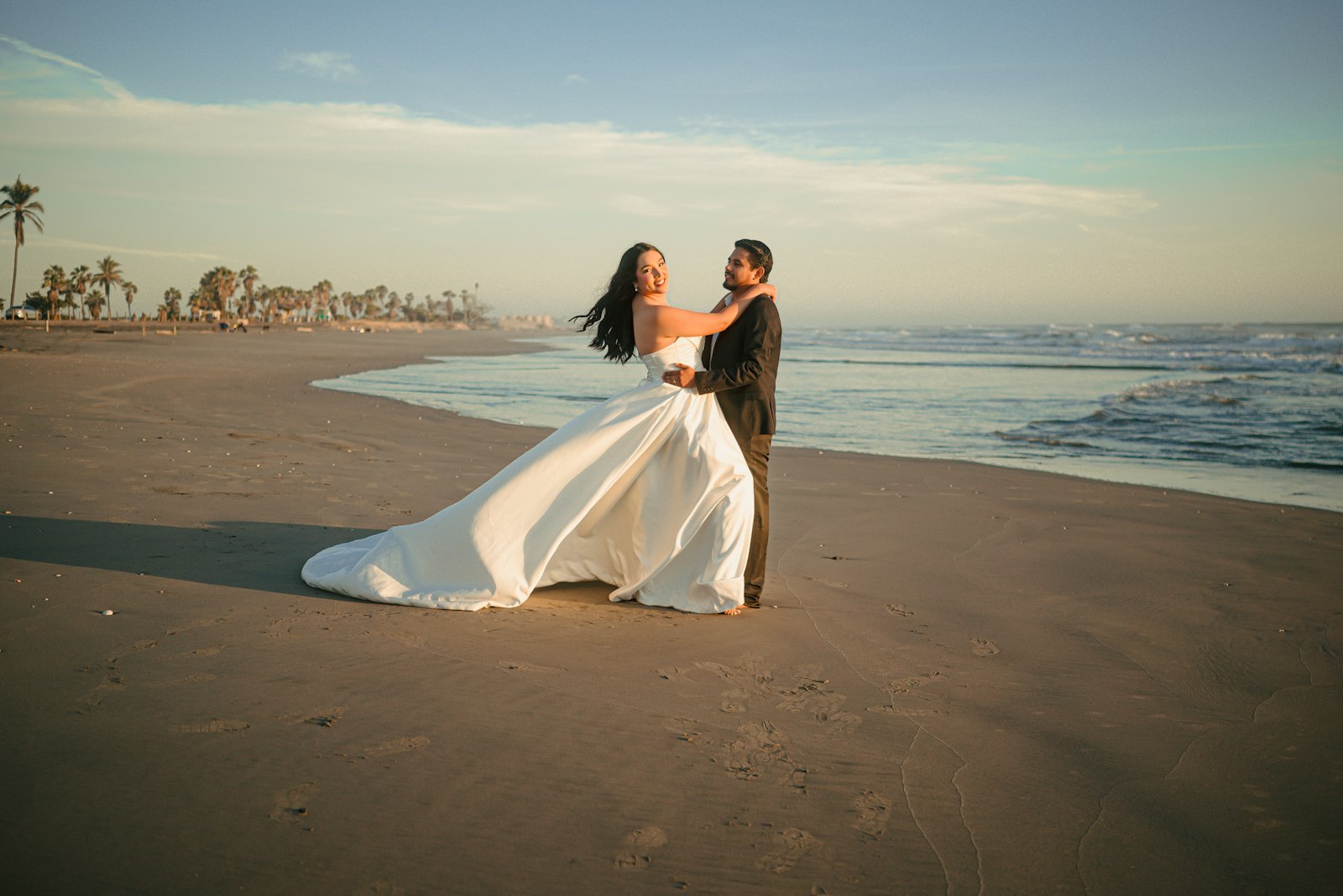
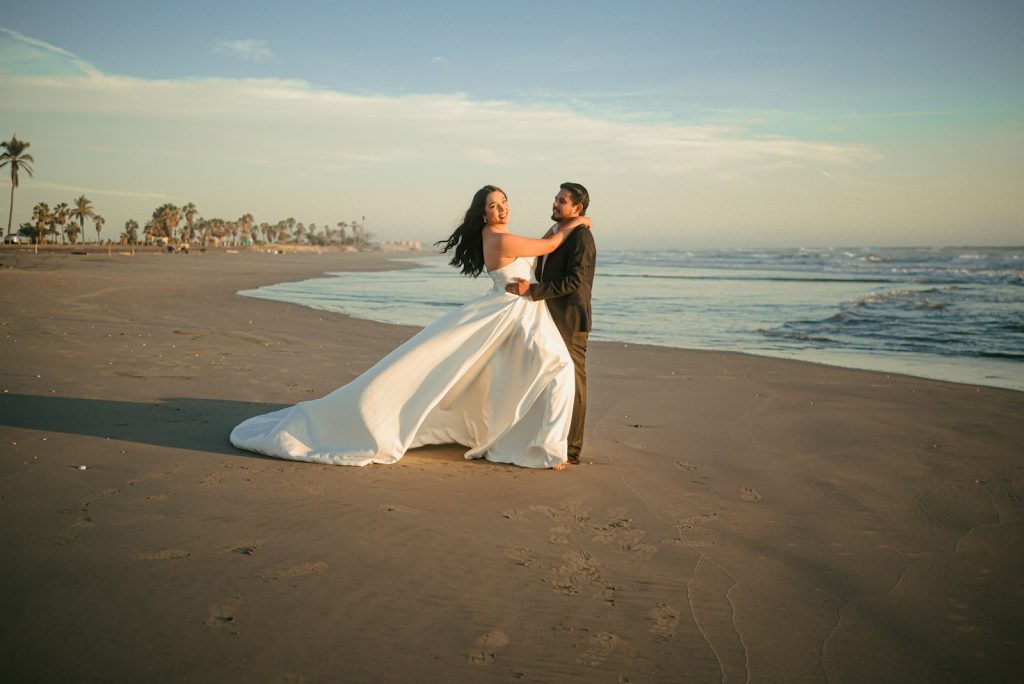
The setting is the reason couples fly this far. Clifftop sites with the Indian Ocean laid out below, 2.5 kilometres of private beach, the island’s savannah going golden in the dry season: the photography from a Sumba elopement tends to look like nothing else. That is not hype — it is geography.
The Intimate Wedding (10 to 30 guests)
This is, arguably, the format Sumba does best. A group small enough to arrive on the same flight from Bali, stay in a single boutique property, and share every meal together for three or four days. The island’s remoteness — which is a genuine inconvenience in some respects — becomes an asset here: there are no outside distractions, no city noise, no other tourists walking through the frame during the ceremony. An intimate wedding sumba-style celebration at this scale typically includes a symbolic ceremony, a private dinner on the beach or at a clifftop terrace, and one or two curated cultural experiences for the group.
Vendors — photographer, hair and makeup, florals, sometimes a live musician — are almost always flown in from Bali. This is the standard practice for Sumba weddings, not the exception. Budget for their flights, accommodation, and a per-diem buffer in case of the kind of schedule disruption a remote island genuinely experiences.
The Micro-Wedding or Small Buyout (30 to 70 guests)
At this size, a micro wedding sumba often coincides with a partial or full resort buyout. Nihi Sumba’s full-buyout capacity sits around 70 adults; a group of 30 to 45 might occupy the property partially, depending on the event structure and what the resort offers in any given season [VERIFY current minimum for a buyout arrangement]. This is the tier at which coordination becomes genuinely complex — transferring a group of 35 from Tambolaka airport (Lede Kalumbang Airport, about 40 minutes from Waikabubak) across island roads takes planning, and the resort’s in-house events coordinator becomes essential rather than optional.
The Vow Renewal
A vow renewal sumba is, in logistical and emotional terms, perhaps the most natural fit of all. There are no legal documents to worry about, no CNI certificates to source from embassies. The couple arrives already married, and the ceremony is purely a declaration. Combined with the island’s natural drama and the possibility of a cultural Sumbanese blessing, a vow renewal here tends to feel far more significant than the equivalent ceremony in a hotel ballroom back home. Anniversary couples who honeymooned in Bali and want something genuinely different often end up here.
The Legal Question: What Actually Has Legal Effect on Sumba
This is information, not legal advice. Getting the legal picture right before you commit to a Sumba ceremony date matters, so here is the honest version.
Indonesia’s Marriage Law No. 1 of 1974 requires that any legally-recognised marriage be performed according to one of six recognised religions. There is no civil-only or secular marriage path. Both partners must share the same religion; if they do not, one must convert. Non-Muslim couples complete the religious ceremony first, then register with the civil registry (Catatan Sipil) to receive an Akte Perkawinan. Each partner must obtain a Certificate of No Impediment (CNI) from their own embassy or consulate in Indonesia before the ceremony. Requirements vary by regency — the relevant offices in Sumba are in Waingapu (East Sumba) and Waitabula/Tambolaka (Southwest Sumba), not in Bali.
The path most destination couples take: marry legally at home, then hold a symbolic blessing ceremony on Sumba. This is the recommendation you will hear from every experienced planner who knows the island, and it is accurate industry practice, not a workaround. A symbolic ceremony has no legal effect in Indonesia, which also means none of the same-religion requirement, CNI sourcing, or registry paperwork applies. It is also worth noting that a tourist Visa on Arrival (500,000 IDR, 30 days, extendable once for another 30 days) is entirely sufficient for attending or holding a symbolic ceremony on Sumba — no special visa is required for a non-legal blessing event. For details on the legal route, see our legal requirements guide.
What a Symbolic Sumba Elopement Typically Involves
There is no standard packaged elopement product on Sumba. What follows is a conceptual picture of what couples actually arrange — not a product we sell, but a realistic picture of how these ceremonies come together.
- Ceremony officiant
- A symbolic officiant fluent in English, or a Sumbanese Rato (village priest) for a traditional blessing. Nihi Sumba can facilitate a Rato blessing as part of their celebrations program; for independent ceremonies at other locations, this requires direct coordination with local cultural contacts [VERIFY availability and appropriate protocols with local fixers].
- Photographer
- Almost certainly flown from Bali. Sumba produces some of the most distinctive destination-wedding photography in Indonesia — the savannah, the limestone cliffs, the beach at golden hour — but there is no deep local pool of experienced wedding photographers. Budget for flights, accommodation, and a contingency day if flights are delayed.
- Hair and makeup
- Again, Bali-based. A skilled HMUA travelling to Sumba for your ceremony is the norm, not an extravagance. Plan for their travel days.
- Florals and décor
- The same logic applies. Fresh tropical florals can be sourced on Sumba, but the range and reliability of supply is far narrower than in Bali. Many couples use minimal, nature-integrated décor — which suits the island’s aesthetic — and supplement with pieces brought or freighted in.
- Private dinner
- At a property like Nihi Sumba, a private beach or clifftop dinner is part of the celebrations infrastructure the resort provides. For independent settings, this requires coordinating catering and logistics, which is materially harder to arrange without a planner who knows the island.
- Cultural experience
- A betel-nut ceremony, horses on the beach, fire dancers, Sumbanese garments, or a village visit to see megalithic stone tombs and peaked thatched-roof uma houses. These are real cultural offerings on Sumba. They should be approached with genuine respect: ask permission before photographing people or entering sacred spaces, pay appropriate village contributions, and do not stage mock Marapu rituals or repurpose sacred textiles as décor.
Ready to start planning? Use our enquiry form or reach us on WhatsApp to be connected with a vetted Sumba wedding partner — no obligation, just a conversation.
The Cost Reality: Honest, Not Alarming
Nobody publishes real Sumba wedding costs. That gap in the market helps no one, so here is the honest picture — presented as planning-band estimates, not fixed prices.
| Format | Bali rough band | Sumba rough band | Primary cost driver |
|---|---|---|---|
| Simple elopement (2 people, photographer, officiant) | $1,500–$6,000 | $4,000–$12,000+ | Fly-in vendors, island accommodation premium |
| Intimate wedding (10–30 guests) | $10,000–$40,000 | $20,000–$80,000+ | Vendor flights, remote freight, limited local supply competition |
| Micro-wedding / resort buyout (30–70 guests) | $40,000–$150,000+ | $50,000–$200,000+ (quote-only) | Full-resort buyout pricing, imported production, planner at 10–15% of total |
These are rough planning bands, not fixed prices. Nihi Sumba in particular does not publish pricing — all enquiries are handled by quote, and a full-resort buyout at that property sits well above standard Bali luxury packages (the informed planning band above is a general industry estimate, not a sourced Nihi figure; never treat it as a firm number). What is consistently true: Sumba costs more than Bali for a comparable production level, primarily because of logistics. Every vendor who flies from Bali adds flights and accommodation. Every piece of imported décor adds freight. The island’s limited vendor ecosystem means less price competition. A planner who knows Sumba — typically 10 to 15 percent of total budget — is not a luxury; on a remote island with genuine logistical complexity, they are the thing that keeps the whole event from unravelling.
The cost is real. So is the experience. The question is whether the trade-off suits the couple. For many, the answer is yes — precisely because the budget filters out the noise and forces a ceremony that is only about the people in it.
Getting There: The Logistics Truth
Sumba is 600 kilometres southeast of Bali. The flight from Denpasar (DPS) to Tambolaka (TMC — now officially Lede Kalumbang Airport, West Sumba gateway) takes approximately 75 to 90 minutes by turboprop. Wings Air and Lion Air operate the route on ATR aircraft; Garuda has also served it. From Tambolaka, the drive to the main southwest-coast resort area takes roughly 40 minutes to Waikabubak and longer to more remote coastal properties.
There is no non-stop international flight to Sumba. International guests route through Bali, which typically means at least one night in Denpasar before or after the Sumba leg. This is not a problem — it is a planning fact. Build it in. Flight schedules on a remote island are thinner than Bali, and delays happen. If your photographer needs to be at the venue the morning of the ceremony, they should arrive the day before.
Waingapu (WGP — Umbu Mehang Kunda Airport) serves East Sumba and connects to Bali via regional turboprop as well, though schedule reliability should be verified directly with the airlines closer to your travel date [FLAG — confirm live schedules]. East Sumba is drier, more open savannah country, and while the geography is striking, it is further from the main cluster of upscale wedding-capable properties in the southwest.
One practical note that rarely appears in travel guides: ATMs on Sumba are limited and sometimes offline. Bring sufficient Indonesian Rupiah — withdrawn in Bali, where infrastructure is reliable — and carry two bank cards. Mobile data is patchy outside of towns. Roads can be rough. Build margin into every timeline.
Season and Setting: When and Where on the Island
Best months
The dry season runs approximately June through September, with mid-June to late August the most reliably clear and comfortable window. July and August see the savannah at its golden-brown peak — the landscape that defines the classic Sumba image. May and early October are reasonable second choices. Between November and March, heavy rain is likely and outdoor ceremonies on Sumba’s exposed cliffsides and beaches become genuinely problematic.
One seasonal caveat specific to the southwest coast: the dry season also brings strong southeast-monsoon winds from Australia, particularly June through August. South-facing clifftop or beach ceremonies during this period need wind-resistant décor, and the south coast seas can be rough enough that swimming is unsafe. A good planner will know which specific ceremony sites are naturally sheltered from the prevailing wind and which are not.
Settings worth knowing
West and southwest Sumba is greener, wetter, more populated, and home to the main concentration of upscale properties and the most famous traditional villages. Ratenggaro and Wainyapu on the coast, and Praijing near Waikabubak, all offer the peaked thatched-roof uma houses and central megalithic stone tombs that make a Sumba cultural visit genuinely moving. Weekuri Lagoon, Mandorak Beach, and Nihiwatu Beach itself are the coastal landmarks most couples have seen in photographs.
East Sumba — drier, more open — has its own appeal: Walakiri Beach’s mangroves at sunset, the wide Puru Kambera savannah, the Waimarang and Tanggedu waterfalls. East Sumba is the heartland of high-quality tenun ikat weaving, if incorporating that textile tradition into the ceremony matters to the couple.
Health and Practical Preparation (Information, Not Medical or Legal Advice)
Sumba sits within an area of eastern Indonesia where malaria transmission has been documented. This is not the case in Bali, where malaria risk is typically considered very low. Couples and guests travelling to Sumba should consult a travel medicine clinic several weeks before departure to discuss appropriate prophylaxis. This is not alarmist; it is the same advice any responsible guide for eastern Indonesia should give.
Dengue is present across Indonesia; day-biting mosquito prevention matters throughout the stay. Discuss food safety with your caterer and your resort; tap water is not safe to drink. For any serious medical situation, evacuation to Bali or Jakarta would be necessary — travel insurance that covers medical evacuation is not optional on this island.
Electricity runs at 220V, 50Hz, with European two-round-pin plugs (types C and F). A universal adapter and a robust power bank are practical necessities, particularly if you are photographing outside resort infrastructure.
None of this is meant to discourage. It is meant to ensure the couple who arrives on Sumba for their elopement has thought through every layer — because the couple who has done that arrives calm, and a calm couple photographs beautifully against the Indian Ocean.
Arranging Your Sumba Elopement or Intimate Wedding
We do not sell wedding packages, and we do not represent any single venue. What we do is connect couples with vetted partners who know Sumba — planners and coordinators with experience navigating the island’s logistical realities, existing relationships with Nihi Sumba’s events team, and the contacts to source a Sumbanese Rato or a Bali-based photographer willing to travel.
The most useful first step is a conversation about what the couple actually wants: the scale, the date window, whether cultural elements matter, how many people they are hoping to bring, and what the honest budget reality is. Everything else follows from that.
Reach us via our enquiry form or on WhatsApp at +62 811 3941 4563 / email [email protected]. No one can pay to change what we publish; if you use our free guidance and proceed with a partner we recommend, that partner may pay us a referral fee at no extra cost to you.
Frequently Asked Questions
Is a Sumba elopement legally recognised in my home country?
A symbolic ceremony on Sumba has no legal effect anywhere — it is a meaningful personal ceremony, not a registered marriage. If you want your Sumba ceremony to carry legal weight, you would need to follow Indonesia’s civil and religious registration process, which is genuinely complex for foreign couples (same-religion requirement, CNI from your embassy, local civil registry in the relevant Sumba regency). Most couples marry legally at home and hold the symbolic ceremony on Sumba. That is accurate practice, not a compromise — it removes every paperwork obstacle and lets the ceremony be exactly what it is meant to be. For full detail, see our legal requirements page, and consult a legal professional for advice specific to your nationality and circumstances.
How many guests can realistically attend an intimate wedding on Sumba?
At Nihi Sumba, the capacity ceiling for a full-resort buyout is approximately 70 adults. Below that, a partial-resort arrangement is possible depending on the event structure — confirm what Nihi currently offers for smaller groups directly with their celebrations team [VERIFY]. At other properties like Cap Karoso or Lelewatu, room counts are small and event capability has not been formally confirmed; contact each property. As a practical guide: 10 to 40 guests is the range in which Sumba operates most naturally. Above 70, the island’s accommodation infrastructure becomes a genuine constraint.
How much does a Sumba elopement cost?
Meaningfully more than a comparable event in Bali, because of logistics: vendor flights and accommodation, imported supplies, limited local competition, and the premium that goes with genuine remoteness. A bare-bones symbolic elopement for two with a Bali-based photographer flown in might start around USD 4,000 to 5,000 at the low end; a small ceremony with a dinner for 15 to 20 guests in a proper resort setting will likely fall in the USD 20,000 to 50,000+ range before a buyout arrangement is triggered. These are rough planning estimates — real costs depend on vendor choices, dates, and what the property quotes. No published price list exists for Nihi Sumba ceremonies; every enquiry is by quote.
Do I need a special visa for a wedding or vow renewal on Sumba?
No special visa is required for a symbolic ceremony or vow renewal attended as a tourist. The standard Visa on Arrival (500,000 IDR, 30 days, extendable once for another 30 days) is sufficient. Verify current eligibility and fees on Indonesia’s official e-visa portal (evisa.imigrasi.go.id) close to your travel date, as rules can change. If you are planning to work on the island in a professional capacity — as a paid photographer, musician, or service provider — different visa requirements apply; consult the relevant embassy or a qualified immigration adviser.
What is the best time of year for a Sumba elopement ceremony?
Mid-June through late August is the most reliable window: clear skies, dry weather, the savannah at its golden peak. May and early October are reasonable alternatives with more variability at the edges. Avoid December through February if an outdoor ceremony matters — rainfall is heavy and unpredictable. One nuance: the dry season’s southeast wind can be strong on exposed clifftop and south-coast sites, so factor that into ceremony location planning. A local planner who knows which sites are naturally sheltered is worth their fee for this reason alone.