How to read this: Sumba Destination Wedding is an independent wedding-curation guide — we research and compare cliffside, beach, resort and intimate settings on Sumba, then route your enquiry to a vetted planning partner. We are not a wedding planner, venue, resort or booking platform, and any property named (including well-known names) is a neutral example only, not a claim of endorsement or affiliation. Legal marriage requirements for foreigners in Indonesia are complex — this is general information, not legal advice; always verify current rules with the relevant authorities. Costs are by quote and vary by season, party size and logistics; figures here are indicative ranges only.
The best time to get married in Sumba is mid-June through late August. Those ten or eleven weeks land squarely inside the island’s reliable dry season, when rainfall is rare, skies stay clear from morning to sunset, and the temperatures — while warm — remain manageable. If you have any flexibility in your date, that window is the one to aim for. The rest of this guide explains why, and it also explains the trade-offs that nobody tends to mention upfront: the savannah looks very different in June than it does in December, wind on cliff-top ceremony sites can be genuinely fierce in July, and south-facing beaches become rough enough to rule out swimming from July through September.
Sumba’s Climate in Plain Terms
Sumba sits in East Nusa Tenggara, about 600 kilometres southeast of Bali. Its climate is semi-arid tropical with a sharply defined dry season and wet season — far more extreme than what most international couples have in mind when they picture Indonesia. Bali receives somewhere between 1,500 and 3,000 millimetres of rain per year depending on the part of the island; Sumba’s drier northeastern coast gets closer to 800–1,000 mm. The southwest — where Nihiwatu Beach and most of the wedding-capable properties sit — is wetter at roughly 1,500–2,000 mm annually, but that rain is concentrated into a few months. Outside those months, it simply does not fall.
That concentration is the most useful fact for planning. You are not managing a 365-day drizzle risk; you are choosing which side of a fairly reliable binary you want to land on.
The Dry Season: April/May Through September/October
The core dry season runs June, July, August, and September. Those four months are the most dependable. The broader dry period stretches from around April or May through to September or October, but the shoulder months carry more variability — a late-season squall in October is not unheard of, and May can occasionally surprise with a closing wet-season shower.
There is also a meaningful difference between east and west Sumba. East Sumba — the open savannah country around Waingapu — tends to have a shorter wet season, roughly December through March, meaning it dries out sooner and stays dry a little longer. West and southwest Sumba, where the main wedding resorts operate, has a longer wet period that can run from November through April. If your venue is on the southwest coast, add at least two weeks of caution on either end of the season compared with what you might read about the east.
The Wet Season: November Through March or April
Peak rain runs December through February. This is not a light monsoon. Afternoon storms can be heavy and prolonged, access roads — already rough in places — turn difficult in mud, and the risk of a washed-out ceremony is real enough that responsible planners will not schedule outdoor events without a fully functional covered backup. Waterfalls are spectacular in January. The hills are deeply green. The light in the early morning can be extraordinary. These things are true. But an outdoor ceremony on a cliffside in January is a gamble, and you should know that going in.
Breaking Down the Best Months: What Actually Changes Week by Week
| Month | Rain Risk | Temp (Daytime High) | Savannah Look | Wind / Sea | Wedding Suitability |
|---|---|---|---|---|---|
| January–February | Very high (peak wet) | ~30–32°C | Lush, deep green | Calmer seas; light variable wind | Poor for outdoor; covered venues only |
| March | High; tapering in east | ~30–32°C | Green, wet | Transitional; improving | Risky — also Pasola season (see below) |
| April | Moderate; clearing in east, still risky in west | ~30–33°C | Green fading to gold | Light to moderate SE building | Possible; check venue location carefully |
| May | Low–moderate | ~30–33°C | Mixed — green hills, drying grasses | Moderate SE wind building | Good; minor risk remains |
| June (mid onward) | Very low | ~30–33°C | Golden and dry; classic Sumba | SE monsoon strong; south seas roughening | Excellent — prime window opens |
| July | Very low | ~30–33°C; nights ~18–22°C | Golden–brown savannah at peak | SE monsoon at full strength; south coast rough | Excellent — but plan wind-proof décor |
| August | Very low | ~30–33°C; nights ~18–22°C | Golden; dry grasses, dramatic skies | SE monsoon strong; south coast rough | Excellent — prime window closes late month |
| September | Low; late storms possible | ~32–35°C; hotter than Aug | Golden to brown; very dry | SE easing but south coast still rough early | Good early; late September has first-storm risk |
| October–November | Rising; pre-rain heat builds | ~33–36°C (hottest period) | Brown; transition starts | SE weakening; seas calming | Marginal — increasingly risky |
| December | High (wet season returns) | ~30–32°C | First flush of green | Calmer seas; wet-season pattern | Poor for outdoor; covered venues only |
The Case for Mid-June to Late August
Mid-June to late August is the sweet spot, and the reason is simple: it combines minimal rain risk with the visual identity that makes Sumba distinctive. The savannah turns gold. The light in late afternoon is warm and directional — exactly what outdoor photography needs. Nights cool to the low twenties or even the high teens inland, which guests appreciate after a day in the heat. There are no storms. The island does not flood. You can leave the backup-rain-plan in the contract without actually needing it.
There are caveats. The Australian SE monsoon is at full strength June through August. On exposed south-coast cliffs and beaches, that wind is not a gentle breeze — it can topple light ceremony structures, scatter floral arrangements, and test guests’ patience during a long outdoor reception. Properties on more sheltered stretches of the west or north coast are less affected, but if your venue is on a cliff facing south, have a serious conversation with the coordinator about wind direction, wind-breaks, and décor anchoring. Candles go out. Veil shots require a good deal of patience. These are solvable problems; they are just problems worth knowing about before you book.
The south coast seas are also too rough for swimming July through September. Nobody is going to drown at your wedding, but if you imagined guests taking a sunset dip after the ceremony, the reality during those months is a surf-pounded shoreline. Beach ceremonies on south-facing strips can still work — the visual drama is actually heightened — but the experience differs from the calm lagoon idyll you might picture.
May and September: The Shoulder Months
Both months are reasonable alternatives if the prime window is unavailable or overpriced. May sits at the tail of the wet season; in most years the rain has cleared by mid-May across most of the island, though the western coast can hold moisture longer. Temperatures are comfortable. The landscape is a mix — some green hills, some drying golden grass — which creates its own kind of photographic interest. Wind is building but has not reached July levels. The main risk is that you are close enough to the wet season that a late shower is genuinely possible, not just theoretical.
September is warmer than July or August — daytime highs can push into the mid-thirties, and in pre-rain years October and November have recorded 35–36°C. Early September usually inherits August’s stability, but late September is where the first storms of the returning wet season have been known to appear. If you choose September, build the date into the first three weeks and leave the final week of the month as a buffer zone. A September wedding can be beautiful; a late-September wedding that coincides with the first proper storm of the season is a different experience.
The Landscape Trade-off Nobody Tells You About
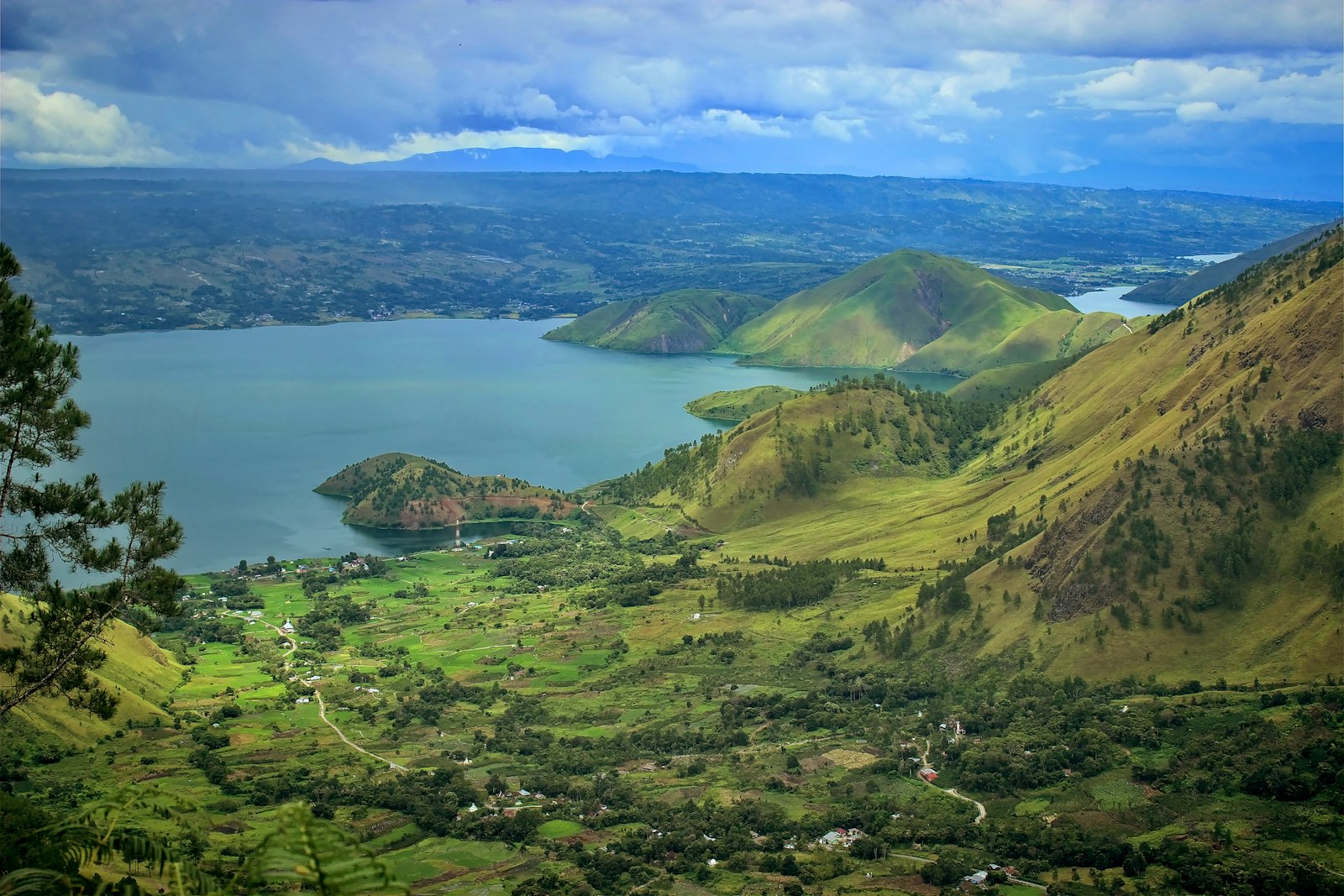
Sumba’s visual identity — the one that appears in every editorial spread — is the golden savannah. Dry grasses rolling to limestone cliffs, Maramba horses moving through bleached hills, a sky so blue it reads almost unreal in photographs. That landscape exists from roughly June through October at its peak, with July and August being the most photogenic.
The green Sumba — lush, heavily vegetated, waterfalls at full flow — peaks January through March. It is genuinely beautiful. But it is a different island. If the golden-hills aesthetic is why you chose Sumba over Bali, note that you will not get it in December. The trade-off between greenery and rain risk is real, and it runs directly opposite: the months when Sumba is greenest are the months when outdoor weddings are most vulnerable.
The transition months — April through May going into dry season, October into wet — offer a mixed palette that some couples find more interesting than either extreme. Grasses at different stages, some green patches against drying slopes. Worth considering if neither pure gold nor pure green is a must-have.
Pasola and Local Ritual Dates: Why This Matters for Your Planning
Pasola is a sacred mounted spear-throwing ritual tied to the harvest and the appearance of nyale sea worms along the coast. It takes place in West and Southwest Sumba, typically in February and March, but the exact dates are set each year by local ritual authorities according to the lunar calendar. They are not announced far in advance and they are not fixed to a calendar date you can rely on from year to year.
This matters for two reasons. First, Pasola is a genuinely significant sacred event, not a tourist spectacle. Scheduling your wedding on or immediately around Pasola in a west Sumba village community is a cultural misstep — roads may be closed, community attention is elsewhere, and local vendors and staff have obligations. Second, even if you are not in the immediate vicinity, the ritual atmosphere across the island during February and March demands respect. If your dates happen to fall in this period for unavoidable reasons, discuss the situation frankly with your local coordinator and follow their guidance. The simple version: plan your Sumba wedding in the dry season and you will have no Pasola conflict.
More broadly, ask your coordinator whether any local village rituals, harvest ceremonies, or adat obligations fall near your date. Sumba is alive with traditional practice, and a wedding that accidentally clashes with a Marapu ceremony in a nearby village is going to create awkwardness for everyone involved. A local planner who knows the specific area will be able to flag these; an international planner working remotely may not.
Temperature, Humidity, and What Guests Will Actually Feel
Daytime highs across the dry season run roughly 30–33°C. That is warm, but the low humidity of the dry season makes it feel less oppressive than the same temperature in a wetter environment. Nights are one of the underrated pleasures of a Sumba dry-season event: inland and at elevation, temperatures can drop to 18–20°C, which is cool enough to need a light layer. At the coast the nights are warmer, usually staying in the low to mid-twenties. Either way, evenings in June, July, and August are genuinely comfortable — a good reason to schedule the ceremony itself in the late afternoon and move dinner into the evening.
The heat becomes more of an issue in September and especially October, when the pre-rain build-up pushes daytime temperatures toward the mid-to-upper thirties in some parts of the island. East Sumba has been recorded at 36°C in October. If any of your guests have heat sensitivity, October and November are months to avoid; July and August, when the SE wind provides natural cooling, are kinder.
Humidity during the wet season is high enough that even the covered-venue option feels sticky. If you have family members for whom humidity is a serious health consideration, the dry season is not just aesthetically preferable — it is genuinely more comfortable for guests who are unaccustomed to tropical climates.
Planning Around the Remoteness: Weather Buffers You Actually Need
Sumba’s logistics amplify the cost of weather surprises in ways that more accessible destinations do not. Your photographer flew in from Bali. Your florist drove a van of refrigerated flowers from the airport. Your officiant arrived two days early to avoid any flight-delay risk. When a late-season storm appears in late September and grounds the afternoon flights out of Tambolaka, none of those schedules are recoverable cheaply.
This is why the wedding-planning community that operates on Sumba consistently builds a day or two of contingency into vendor contracts — for weather, for road access, for the occasional power issue in rural areas. It is also why the prime dry-season window is not just a preference but a practical risk-reduction strategy. The fewer moving parts that can go wrong, the more predictable your budget stays. Factor weather risk into your planning conversation the same way you factor in venue capacity and catering logistics.
If you want to talk through how your preferred dates fit the calendar — or if you are trying to work backward from a specific month to understand what you should expect — our enquiry form is the fastest way to get a candid answer. We know the island well enough to tell you when a given month is a good bet and when it is a known risk.
A Quick Summary: Sumba Wedding Months by Priority
- Mid-June to late August
- Prime window. Very low rain risk. Golden savannah landscape. Dry-season wind on exposed south coast (plan décor accordingly). South-coast seas rough July–September — not ideal for swimming. Nights pleasantly cool (18–25°C). Best months: July and early August.
- May
- Good. Shoulder of dry season; rain largely cleared but late shower possible. Mixed green-to-gold landscape. Comfortable temperatures. Wind building but manageable.
- September (early to mid)
- Good but warmer (32–35°C daytime). First storms of the returning wet season can appear late in the month. Use the first two weeks and build in contingency.
- April
- Possible, especially for east Sumba. West coast can still catch late-wet-season rain. Landscape mixed. Check specific venue location carefully.
- October–November
- Marginal. Hottest period (up to 35–36°C). Rain risk rising. Only for couples with fully covered backup venues and strong contingency plans.
- December–March
- Wet season. Peak rain December–February. Green and lush. Suitable only if your entire event is under cover with a robust wet-weather plan. Pasola period in February–March adds scheduling complexity in west Sumba.
A Note on Regional Difference: West vs East
Most destination weddings happen in west or southwest Sumba — that is where the coast-facing properties with established event capabilities are located. The east of the island, reached via Waingapu’s Umbu Mehang Kunda Airport, has a shorter wet season and dries out earlier in the year. If you are planning a more unusual event — a savannah ceremony near Puru Kambera, or an event taking advantage of the Walakiri mangrove coastline — the east can open up your calendar slightly earlier in spring and close down slightly later in autumn. For west-coast venues, use the conservative window described above.
The cross-island drive between Tambolaka and Waingapu covers roughly 250–300 kilometres on roads that can be rough. Estimated travel time is six to eight hours or more depending on conditions. That is not a day-trip. If you are combining east and west Sumba activities into your wedding week, build proper overnight stops into the itinerary rather than trying to absorb it as a transfer. Your guests will not forgive a six-hour road trip sandwiched between a rehearsal dinner and a wedding morning.
Putting It Together: How to Choose Your Month
Start with the prime window — mid-June to late August — and work outward only if venue availability, budget, or guest travel constraints make that impossible. Within the prime window, July stands out: the savannah is at its most photogenic, temperatures are moderated by the SE wind (which is also your main décor challenge), and rain risk is as close to zero as Sumba weather gets.
If July is not possible, August is effectively equivalent. June is excellent once you are past mid-month — early June can occasionally deliver a late wet-season shower in the west. September works well in the first two to three weeks. May is a reasonable alternative if the venue has good wind-shelter and you are willing to accept a small residual rain risk.
Whatever month you choose, talk to your on-island coordinator about the specific microclimate at your ceremony site. A cliff-top facing south in August and a sheltered garden facing northwest in August are very different environments. The broad seasonal guidance holds; the site-specific detail is where local knowledge becomes decisive.
We are happy to talk through the specifics with you. Share your preferred dates and venue shortlist via WhatsApp at +62 811-3941-4563 and we can give you a candid read on what to expect — wind direction, landscape condition, historical rain patterns for that specific stretch of the coast. No one can pay us to tell you a difficult month is fine; if your dates have genuine risks, we will say so. If you use our free planning help and proceed with a partner or operator, they may pay us a referral fee at no extra cost to you.
Frequently Asked Questions
What is the driest month to get married in Sumba?
July is generally the driest month in Sumba. The SE monsoon is at full strength, which keeps cloud cover low and rain effectively absent across most of the island. August is a close second. Both months carry the caveat of strong wind on exposed south-coast ceremony sites, but from a rain-risk standpoint, they are the most reliable months on the island’s calendar.
Is the sumba dry season wedding window the same for the east and west of the island?
Not quite. East Sumba (around Waingapu) has a shorter wet season — roughly December through March — and tends to dry out a little earlier in spring. West and southwest Sumba, where most wedding venues are located, has a longer wet period that can extend from November through April. For west-coast venues, the reliable dry window runs from mid-May or June through September; for east Sumba, you may gain a few weeks on either end. Always confirm with your specific venue, as property microclimate varies.
What is the best month for a wedding in Sumba if we also want lush green scenery?
Late April into early June is the overlap point where the landscape is transitioning from wet-season green to dry-season gold — you may catch some green hills alongside drying grasses, and rain risk is declining. Full wet-season green (January–March) comes with high rain risk, which makes outdoor ceremonies genuinely vulnerable. If green scenery is a priority, late April to late May is the closest you can get without taking on serious weather risk. Be aware that the classic golden Sumba savannah — the look most couples choose the island for — only appears from June onward.
How strong is the wind at cliff and beach ceremonies during the Sumba dry season?
The Australian SE monsoon wind that drives the dry season can be quite strong, particularly in June, July, and August on south-facing coastal sites. At exposed cliff-top venues, guests may need to hold their hats; candles will not stay lit without wind-proof lanterns; light fabric décor requires secure anchoring. The wind is typically consistent rather than gusty, which makes it manageable with the right décor planning — but it is not negligible. Properties that are partially sheltered by vegetation, facing west or northwest, or positioned below the cliff line rather than on top of it will be more comfortable. Ask your venue coordinator specifically about wind direction and average speed at your ceremony site during your intended month.
Can we get married in Sumba in October or November?
Technically yes, but these are the most challenging months in the calendar. October and November mark the pre-rain heat build-up — daytime temperatures can reach 35–36°C, and the returning wet season brings increasing rain risk, often with dramatic late-afternoon storms. A fully covered venue with strong rain contingency planning makes it feasible, and some couples find the dramatic pre-storm skies visually striking. But it is not the window we would recommend as a first choice. If October or November is your only option, work closely with a coordinator who knows the specific venue’s wet-weather backup, and do not schedule long outdoor elements in the afternoon heat.