How to read this: Sumba Destination Wedding is an independent wedding-curation guide — we research and compare cliffside, beach, resort and intimate settings on Sumba, then route your enquiry to a vetted planning partner. We are not a wedding planner, venue, resort or booking platform, and any property named (including well-known names) is a neutral example only, not a claim of endorsement or affiliation. Legal marriage requirements for foreigners in Indonesia are complex — this is general information, not legal advice; always verify current rules with the relevant authorities. Costs are by quote and vary by season, party size and logistics; figures here are indicative ranges only.
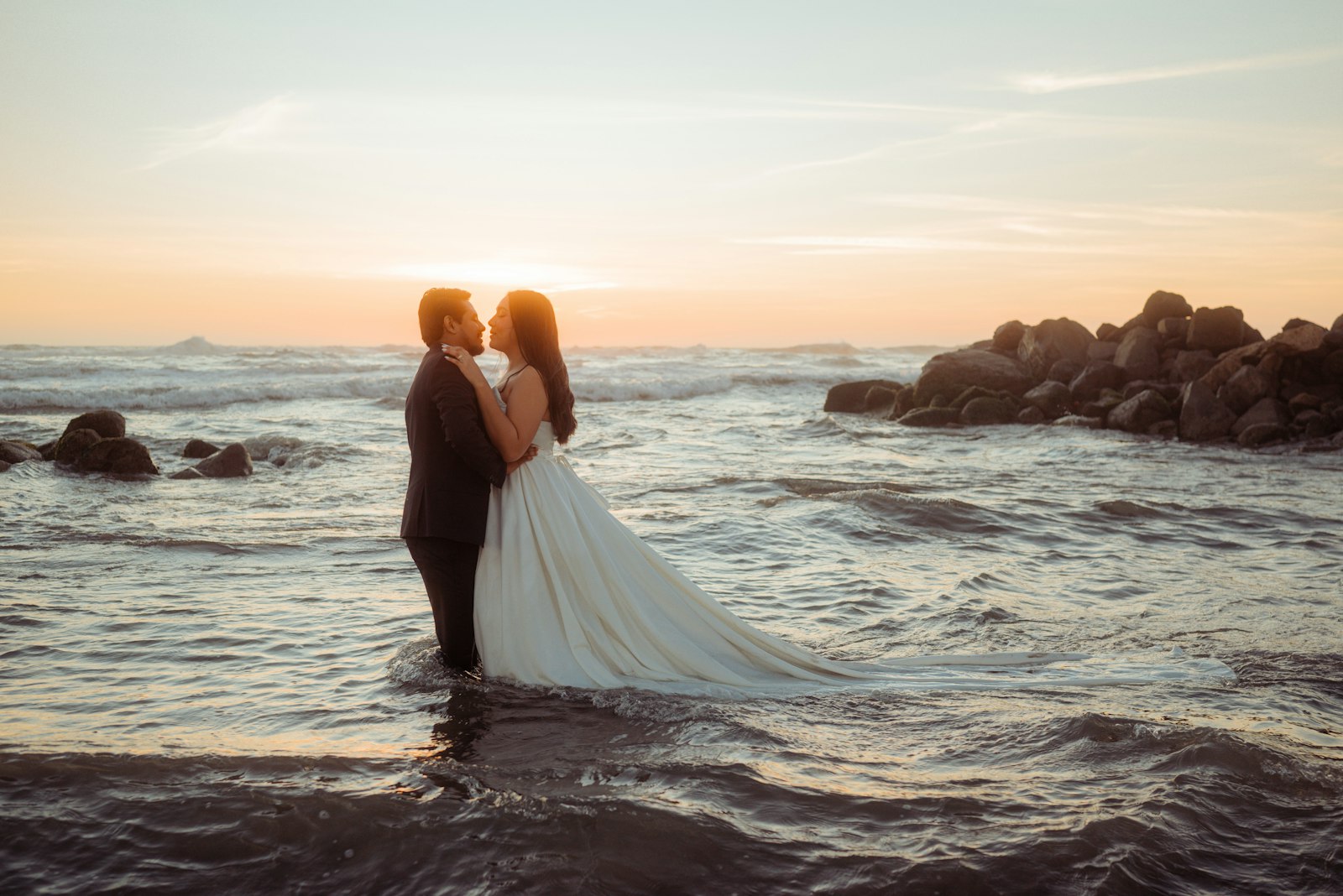
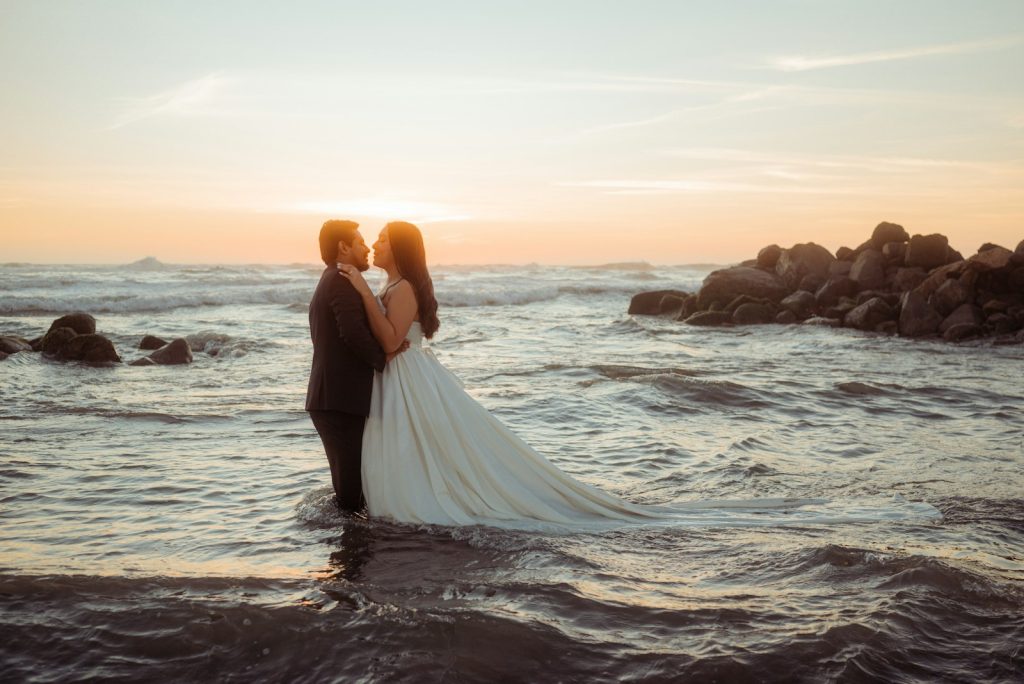
Sumba sunset wedding ceremony timing is the single most consequential logistical decision you will make after choosing your venue. On this island, the light in the two hours before sunset is genuinely transformative — soft, warm, angled low enough to sculpt faces and pick out every grain of savannah grass — but arrive at that moment too early or too late and the same location becomes either a harsh midday furnace or a scene lit by fairy lights and generator hum. Get the timing right, and Sumba gives you something almost nowhere else in Indonesia can: a wide-open sky turning amber over the Indian Ocean, a clifftop or beach that belongs entirely to you, and photographs that need no filter.
Why the Late Afternoon Is the Right Window
Sumba sits on WITA (UTC+8), the same timezone as Bali and Singapore. Sunset times shift across the year, so the exact clock time of golden hour in your specific location on your specific date is something you need to confirm — your venue coordinator or a local planner should pull this for your date and note the precise civil twilight window. As a planning framework, golden hour in this part of eastern Indonesia broadly runs from roughly 5:00 pm to 6:15 pm in the dry season, but verify for your month and your venue’s orientation before you commit to a run-of-show.
The practical argument for this window comes down to three things: temperature, light quality, and drama.
Temperature
Daytime highs during the core dry season (June through September) sit in the 30–33°C range. At midday, that heat is direct and relentless on an island with very little forest shade. By 4:30–5:00 pm, temperatures drop meaningfully — not cold, but no longer punishing. Guests in formal dress stop wilting. The couple stops sweating through their ceremony. That shift alone justifies the late start.
Light Quality
Photography is an honest reason to care about this. A ceremony at noon on Sumba means harsh shadows under every brow, squinting guests, and an overexposed background whenever the ocean appears in frame. At 4:30 pm and later, the sun is low enough that the light wraps and diffuses. Skin tones render warmer and more even. The savannah — golden and dry June through October — catches side-light and seems to glow rather than just sit there. If your photographer is flying in from Bali, which is almost certainly the case, they will tell you the same thing.
Drama
Sumba’s south coast particularly, with its limestone cliffs and Indian Ocean horizon, is built for this hour. The sky can go through five different colours in forty minutes. The scale of the landscape demands that quality of light to read properly in photographs and in memory. That is not something you can manufacture with AV equipment later in the evening.
The Wind Factor: What Most Guides Skip
Here is the constraint that does not appear in the glossy content. During the Australian SE monsoon — June, July, and August, which are also the driest and most popular wedding months — the south coast of Sumba gets sustained wind that builds through the afternoon. By 5:00–5:30 pm on an exposed cliff or open beach, you may be looking at a stiff breeze that tugs at veils, topples lightweight florals, and makes amplified speech intelligible only to people standing close to the speakers.
This does not mean you cannot have a sunset beach ceremony in June. It means you need to plan for it specifically:
- Weighted or anchored décor: heavy ceramic vessels, low trailing arrangements, no tall centrepieces on ceremony arches, no chiffon draping without tensioned wire behind it.
- Microphone and speaker positioning: directional mics rather than lapel-only; speakers angled to work with the prevailing wind direction, not against it.
- Site selection: even within a single property, some ceremony sites are sheltered by a cliff face or a tree line to the south, while others are open. Ask the venue this question directly. If you are considering a site that has not been used for weddings before, visit in the late afternoon in the actual month you plan to marry — or have a local contact do it for you.
- Ceremony length: a lean twenty-five to thirty-minute ceremony is both more elegant and more wind-tolerant than a sixty-minute programme.
Couples who are flexible can also consider west-facing sites on the north coast or more sheltered bays, where the SE monsoon has less fetch across the water. The tradeoff is that these sites may have different light angles and different landscape aesthetics than the dramatic south-coast cliff scenes that draw most couples to Sumba in the first place.
Sequencing Your Ceremony Around the Light
Here is the run-of-show logic that works on Sumba, in practical terms:
- Guests seated
- Ninety minutes before sunset. This gives latecomers a buffer. The light at this point is still direct but softening, and guests are seated facing the couple, not squinting into the sun (seat guests facing away from the western horizon).
- Processional
- Eighty to seventy-five minutes before sunset. This is the couple’s primary photo moment of the ceremony, and you want it in good but not yet golden light.
- Vows
- Sixty to forty-five minutes before sunset. This is the heart of golden hour. If you are doing a twenty-five to thirty-minute ceremony, this window is your target.
- Recessional and couple’s portraits
- Forty to twenty minutes before sunset. The couple breaks away immediately after the recessional for the portrait window while the light is at its warmest. Twenty minutes of portraits in this light is worth more than an hour at midday.
- Civil twilight portraits (optional)
- Up to fifteen minutes after sunset, the sky can retain usable ambient colour. Good photographers know this window and will extend the portraits if the sky cooperates.
- Reception begins
- Darkness or near-darkness — roughly thirty to forty-five minutes after sunset, depending on the month.
The practical rule: if your photographer tells you they want the vows to land in golden hour, work backwards from sunset time to get your ceremony start time, not forwards from when your hair and makeup finish.
Tides and Beach Ceremony Logistics
If you are planning sunset beach vows on Sumba, the tide is not optional information. A ceremony site that sits at the high-tide line can be underwater, or squeezed into a strip of wet sand, at certain hours. The month matters less than the specific tide table for your date — check it, share it with your venue coordinator, and confirm that the ceremony site will have adequate dry sand at the time you plan to start. Low tide in the late afternoon is the ideal; the beach is wider, the sand is firmer, and the wave wash stays back far enough that guests in formal shoes are not scrambling. This is particularly relevant during dry-season months when south-coast swell can be significant — rough enough that swimming is inadvisable July through September, and the visual backdrop of the ocean becomes more dramatic but the practical footprint of the beach can shrink.
Season and Landscape: What the Light Is Actually Falling On
Golden hour ceremony timing cannot be separated from what the landscape looks like in each season, because Sumba’s appearance shifts dramatically across the year.
June Through October: The Golden Savannah
This is when most couples marry on Sumba, and the primary visual reason is the landscape itself. By mid-June the savannah is drying towards its classic golden-brown colour. July and August are the peak: the grass is bleached to a warm amber, the hills are dry and open, and the late-afternoon light picks up those tones in a way that photographs with a painterly quality. This is the season that produces the images you have seen in destination-wedding features. The tradeoff is wind on exposed south-coast sites, as described above. September remains dry but temperatures climb, and by late September the first pre-rain storms can appear — build weather contingency into your plan.
April Through Early June: The Green Window
Late April through early June is a quieter and genuinely underrated period. The island is still green from wet-season rain, the worst of the monsoon storms have passed, and the SE wind is not yet at full strength. Golden-hour light hits a landscape that looks lush rather than arid. If your aesthetic is a softer, greener backdrop — and if you do not need the classic golden-savannah look — this window offers better conditions for beach ceremonies with less wind management required. Rain risk is still present but falling fast, and late May into early June can offer the best of both: grass greening, clear skies, manageable wind.
November Through March: Not Recommended
The wet season brings overcast skies that flatten and grey the light, road conditions that add unpredictable transfer times, and the genuine possibility of heavy rain during a ceremony. Golden-hour light is not reliably available when clouds sit low over the island. This is not the window for a Sumba outdoor ceremony.
Power, Lighting, and AV After Dark
Rural power on Sumba is variable. Outside of established resort properties with generator backup, you cannot assume reliable grid power through an evening reception. Even within resort boundaries, the honest answer from experienced Sumba planners is: assume you will need a generator, and budget for it. This applies not only to the reception but to the ceremony itself if you are starting any AV equipment before the grid is reliable in the early evening.
Lighting should be rigged and tested before the ceremony, not during it. If your ceremony starts at 5:00 pm and ends at 5:30 pm in near-darkness, the transition to the reception space needs to be illuminated and ready. Candles in lanterns on exposed outdoor sites get complicated with wind — factor that into your décor brief. The best reception lighting setups on Sumba are layered: generator-backed overhead festoon or cable lighting as the base, supplemented by battery-powered table lighting and candles in protected vessels. Instruct your AV vendor to do a full test run the afternoon before, at the actual site, with all equipment on.
Ready to work through the details for your date? Tell us about your ceremony — start time, month, and site type — and we will help you map the sequencing, flag the wind and tide considerations, and connect you with planners who have done this on Sumba before.
Practical Timing Summary
| Factor | What to Do | Why It Matters on Sumba |
|---|---|---|
| Sunset time | Verify for your exact date and venue orientation — do not use a generic estimate | WITA timezone; golden hour window is date-specific |
| Vow timing target | Schedule vows 45–60 min before sunset | Peak golden-hour light for ceremony + portrait window after |
| Wind — June/July/Aug | Choose sheltered site or use anchored décor, directional mics | SE monsoon builds through the afternoon on exposed south coast |
| Tide — beach ceremonies | Pull tide table for your date; confirm adequate dry sand at start time | High tide can shrink the ceremony footprint significantly |
| Post-sunset reception | Plan generator-backed lighting; rig and test afternoon before | Rural grid power is variable; wind complicates open candles |
| Landscape season | June–Oct for golden savannah; Apr–early June for green, calmer wind | Visual aesthetic shifts dramatically across the year |
Frequently Asked Questions
What time does the sun set on Sumba for a wedding in July?
Sumba sits in WITA (UTC+8), and in July civil sunset falls approximately between 5:45 pm and 6:05 pm depending on your position on the island — east versus west Sumba differs by a few minutes. The exact time for your venue on your date should be confirmed with a local planner or via a sunrise-sunset calculator using the venue’s coordinates. For a July ceremony, a 4:30 pm processional typically lands vows in strong golden light with a portrait window before dark.
Is wind really a problem for a beach or clifftop ceremony in June or August?
It can be. The Australian SE monsoon is active across June, July, and August, and the south-facing coast of Sumba is directly exposed to it. The wind typically builds through the afternoon and can be strong enough by 5:00–5:30 pm to affect light fabric décor and speaker projection. The practical response is not to avoid these months — they are the best weather months overall — but to select a sheltered site, anchor your décor, brief your AV vendor, and keep the ceremony lean. Your venue coordinator should be able to tell you which specific sites on the property are more sheltered from the prevailing direction.
Can we have a golden-hour ceremony and then a reception outdoors after dark?
Yes, and this is the standard format on Sumba. The ceremony runs in the late-afternoon light, the couple breaks for portraits as the sky colours after sunset, and the reception transitions to an illuminated outdoor or semi-open setting. The key preparation is generator-backed lighting rigged and tested in advance — do not rely on rural grid power alone — and a reception space that either has shelter from the evening wind or uses wind-tolerant lighting and décor. The transition from ceremony to reception typically takes thirty to forty-five minutes, which gives your team time to complete the set while guests have welcome drinks.
Does the season affect what golden hour looks like?
Substantially. In the dry season (June through October), golden hour falls on a landscape of bleached golden-brown savannah grass, clear skies, and a dry atmosphere with minimal haze. The light is clean and warm. In the green season (roughly April through early June), the same light hits a lush, green landscape under skies that may still carry some cloud — the colour palette is completely different. Neither is better in an absolute sense, but they produce very different images and aesthetics. Most couples who choose Sumba for the classic savannah look should plan for July or August specifically, when the grass is at peak golden colour.
What happens if the sky is overcast on the day?
Sumba in the dry season rarely has full cloud cover, but it does happen. Thin high cloud actually softens golden-hour light beautifully and can produce richer, more diffused tones than a clear sky. The risk is heavier cloud that blocks the colour entirely, which is more common at the edges of the season — September and early October in particular when the first pre-rain systems begin to build. A good destination-wedding photographer will brief you on how they work with flat light, and most will have backup plans for portrait locations that work in various conditions. The honest position: Sumba’s dry season is reliable, not guaranteed, and a weather contingency plan for your reception space is a sensible precaution regardless.
Planning the timing of your ceremony is one of those details that looks simple and turns out to be layered. If you want help working through the specifics for your date, location, and guest count, reach out via our enquiry form or message us on WhatsApp at +62 811 3941 4563. We are happy to walk through the sequencing with you at no cost — and if you proceed with a planner or venue through our recommendation, they may pay us a referral fee at no extra cost to you.