How to read this: Sumba Destination Wedding is an independent wedding-curation guide — we research and compare cliffside, beach, resort and intimate settings on Sumba, then route your enquiry to a vetted planning partner. We are not a wedding planner, venue, resort or booking platform, and any property named (including well-known names) is a neutral example only, not a claim of endorsement or affiliation. Legal marriage requirements for foreigners in Indonesia are complex — this is general information, not legal advice; always verify current rules with the relevant authorities. Costs are by quote and vary by season, party size and logistics; figures here are indicative ranges only.
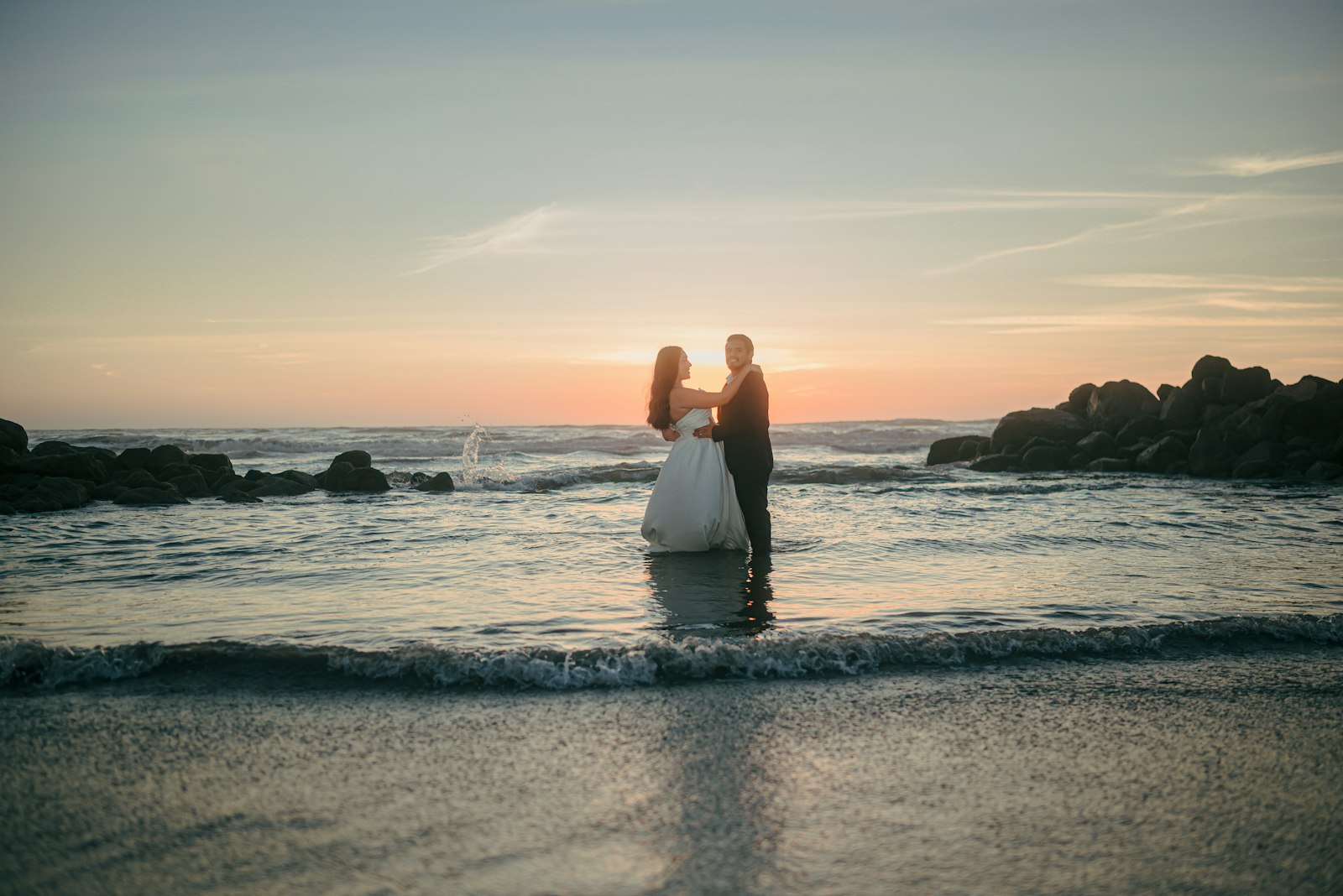
A Sumba honeymoon after your wedding is exactly what it sounds like: using the same remote, cinematic island where you said your vows as the backdrop for your first days as a married couple — then deciding, often, to add a Bali leg before flying home. Most couples who marry in Sumba do plan some form of post-wedding honeymoon, whether that means three extra nights at the same property where they held the ceremony, a slow road-trip across to East Sumba’s savannah, or a twin-destination week split between Sumba and Bali. The island rewards those who linger. It is less accommodating to those who try to rush it.
This guide covers the two main paths: staying on Sumba for the honeymoon itself, and combining a Sumba wedding with a Bali honeymoon leg (or the reverse). Both are popular. Both have genuine trade-offs worth knowing before you book.
Why Sumba Is Already Honeymoon-Positioned
Unlike Bali, where a honeymoon can feel like a consumer product — package upgrades, flower-petal baths on demand, and forty other couples doing the same thing at the adjacent villa — Sumba has almost no honeymoon infrastructure in that sense. What it has instead is scarcity. Fewer than a handful of properties on the entire island are positioned for high-end stays, which means that if you are staying at one of them, you are never lost in a crowd.
The most established of these is Nihi Sumba (formerly Nihiwatu), an ultra-luxury resort on the southwest coast in West Sumba’s Wanukaka region. It sits on roughly 560 acres with a 2.5-kilometre private beach and around 27 villas and 36–38 rooms — the exact count varies in their own literature, so treat that as a planning band rather than a fixed number. Because it is also the only property on Sumba with a formal, established weddings programme, many couples who marry at Nihi simply extend their stay. The transition from wedding guests to honeymooners happens without ever changing hotels.
Lelewatu Resort Sumba is a cliff-top boutique property in the west of the island, closer to Waikabubak, and it markets itself in a way that is clearly honeymoon-adjacent — the setting is dramatic, the room count is low, and the experience is explicitly about privacy. It does not have a verified formal wedding programme, but couples do use it as a honeymoon base, and it is worth contacting directly about availability and packages.
Neither property publishes rack rates online in a way that makes comparison easy. Both are by-quote and should be budgeted as above comparable Bali luxury, driven by the economics of remote-island hospitality: fewer rooms, fly-in supplies, limited local vendor competition, and the practical cost of running a high-service property somewhere that requires its own logistics chain. For planning purposes, a luxury honeymoon stay on Sumba of four to six nights will sit meaningfully higher than a comparable night in Bali’s better villas. Build your budget with that honest ceiling in mind.
What to Do After Your Sumba Wedding: Activities Worth Planning
This is where the honeymoon in Sumba separates cleanly from any packaged resort experience. The island’s natural and cultural landscape is genuinely extraordinary, and most of what makes it worth spending time on costs very little to access once you have arrived. The challenge is the logistics — roads are rough, distances are deceptive, and travel times on Sumba reward patience over ambition.
Private Beaches and Sea Time
If your wedding was at Nihi, you have already met Nihiwatu Beach. Two and a half kilometres of it, usually empty, backed by cliffs and forest. The surf on Sumba’s south coast — particularly the break known as “God’s Left” near Nihi — is internationally known and genuinely serious. Non-surfers can watch from the beach. But be aware: during the peak dry months of July through September, the Australian southeast monsoon pushes the south coast seas into conditions that are too rough for casual swimming. The water is beautiful to look at; assess it before you get in.
West Sumba’s northwest-facing beaches, sheltered from the dominant swell direction, tend to be calmer and more swimmable year-round.
Weekuri Lagoon
Weekuri is a saltwater lagoon in Southwest Sumba connected to the sea through limestone rock. The water is extraordinarily clear and ranges in colour from pale turquoise to deep green depending on the angle of the light. It is genuinely one of those places that photographs badly — the real experience is floating in warm, calm water while the Indian Ocean thunders against the limestone ridge ten metres away. It is about 45 minutes from Tambolaka by road. Go in the morning before tour groups arrive. Do not expect infrastructure; bring what you need.
Waterfalls: Lapopu, Waimarang, and Tanggedu
Sumba has a number of significant waterfalls. The best-known in West Sumba is Lapopu Waterfall, a multi-tiered cascade in lush forest that requires a walk from the parking area. It is accessible but not especially easy — wear shoes with grip, not sandals. In East Sumba, Waimarang Waterfall and Tanggedu Waterfall are both worth the drive for couples comfortable with significant road time. Tanggedu in particular sits in the middle of East Sumba’s open savannah landscape and feels genuinely remote — the waterfall drops into a canyon with golden grassland visible on the ridge above. The contrast is the point. Getting there takes several hours from the western side of the island; it makes more sense as a destination if you are basing yourself in or near Waingapu.
Walakiri Beach at Sunset
On Sumba’s north coast near Waingapu, Walakiri Beach is famous for its mangrove trees that wade into the tidal flat and catch the light at sunset in a way that has made it one of the most-photographed spots in eastern Indonesia. It is nothing like the beaches on the west coast — there is no surf, no drama; it is flat and tidal and quiet. That quietness is the appeal. Plan to arrive an hour before sunset, walk out into the mangroves when the tide is right, and stay until the colour drains out of the sky.
Savannah Drives: Wairinding and Puru Kambera
East Sumba’s open savannah landscape is unlike anything in Bali or Lombok. The hills around Wairinding are rolling and mostly treeless, covered in dry grass that turns gold-brown from roughly June through October and green in the wetter months. On a clear morning the drive through this country — with very little traffic, occasional horses grazing, and broad views in every direction — is the kind of experience that stays with people. Puru Kambera savannah extends further east and is even more open. These are not managed tourist sites; they are simply how the landscape looks. Factor the road quality into your timing. What looks like a short distance on a map can take considerably longer on the ground.
Kampung Adat Visits
Sumba’s traditional villages — adat kampung — are one of the island’s most distinctive features: clusters of peaked, high-thatched houses called uma, often built around central megalithic stone tombs, with Marapu ancestral and animist beliefs still woven into daily life alongside Christianity. Well-known examples include Ratenggaro and Wainyapu on the southwest coast, and Prai Ijing and Tarung near Waikabubak in the west.
A visit to one of these villages can be genuinely moving. It can also easily go wrong if handled casually. Ask for permission before you enter; pay the customary contribution; do not photograph people or ceremonies without asking; and do not sit or stand on the stone tombs, which are sacred burial sites, not photo props. Drones require consent from the village leader. If you are visiting through your resort, ask them to facilitate the introduction properly — a rushed drop-in with a rental car is not the same experience.
| Activity | Location | Best Season | Practical Note |
|---|---|---|---|
| Weekuri Lagoon | SW Sumba, ~45 min from Tambolaka | Year-round; mornings best | Bring your own water and snacks |
| Nihiwatu Beach / Nihi private beach | West Sumba (Wanukaka) | Year-round; avoid swimming Jul–Sep south swell | Resort guests only for beach access |
| Lapopu Waterfall | West Sumba | Best flow May–Oct; path slippery in wet season | Closed footwear essential |
| Walakiri Beach sunset | Near Waingapu, East Sumba | Year-round; dry season clearer skies | Tidal — timing matters |
| Tanggedu Waterfall | East Sumba | Best after rains (Mar–May); savannah golden Jul–Sep | Several hours from western resorts |
| Wairinding / Puru Kambera savannah | East Sumba | Jun–Oct for golden landscape | Long driving times; rough roads |
| Kampung adat visit | Various: Ratenggaro, Prai Ijing, Tarung | Year-round; avoid conflicting ritual dates | Arrange through resort; ask permission on arrival |
The Bali Pairing: Post-Wedding Honeymoon, Sumba and Bali
A significant number of couples who marry in Sumba choose to spend part of their honeymoon in Bali — either immediately after the wedding, or after one or two nights in Sumba for recovery. This is not a retreat from the island experience; it is an honest acknowledgment of what each place does well.
The flight is straightforward. Wings Air and Lion Air operate direct ATR turboprop services between Tambolaka (TMC) and Denpasar (DPS) — a verified block time of around 75 to 90 minutes, with an example flight recorded at 85 minutes. The distance is approximately 400 to 450 kilometres. It is a quick hop on a small aircraft, and the logistics are manageable even for a couple who has just come off the intensity of a wedding day and a night of celebration. Book the flight when you confirm the wedding dates; Sumba routes fill up.
Bali offers what Sumba structurally cannot: deep honeymoon infrastructure. Hundreds of villa properties at every price point, many of them purpose-built for couples. Spa culture that is genuinely world-class. Excellent food at every level from street-side to fine dining. Reliable ATM access. Fast internet. A medical system that, while not equal to Singapore or Australia, is vastly more capable than what exists in East Nusa Tenggara. And the ability to simply book things: transport, restaurants, day trips, tours — all of it confirms in minutes rather than days.
After the logistics and emotion of a destination wedding — coordinating guests arriving from multiple cities and countries, managing vendor schedules, worrying about weather — many couples simply want somewhere they can rest without planning anything. Bali is very good at that. A Seminyak villa with a private pool, a driver on call, and a good restaurant a five-minute walk away asks very little of you. That recovery window matters more than people expect.
Sequencing the Two Destinations
Two common approaches work well:
Option A — Sumba first, Bali second. Marry on Sumba, stay two to three nights at the wedding property (one of those will be a recovery day when you genuinely cannot do much), then fly to Bali for four to six nights before departing. This is the most popular sequence because the wedding is on Sumba and guests are already there; the Bali leg is the wind-down.
Option B — Bali first, Sumba second. Some couples fly into Bali two or three days before the Sumba ceremony to decompress from international travel, do a few pre-wedding days in Bali, fly to Sumba for the wedding, and then return to Bali for the honeymoon proper. This works particularly well for couples flying long-haul from Europe, the Americas, or Australia who want buffer time before the ceremony begins.
What does not work as well is trying to squeeze both islands into fewer than seven or eight days total. Travel time between Bali and Sumba is a meaningful fraction of a short trip. Minimum viable time on Sumba alone, given the road distances between sights, is three nights; four is more comfortable. Add four nights in Bali and you have a sensible eight-night honeymoon that does justice to both places.
Ready to map out your honeymoon around your Sumba wedding? Reach out through our enquiry form or message us on WhatsApp at +62 811-3941-4563 — we can help you think through the sequencing and property options before you commit to anything. Our guidance is free; if you proceed with a property or operator through us, they may pay us a referral fee at no extra cost to you.
Seasonality: When to Go and What You Get
Sumba has a pronounced dry-wet split that directly shapes the honeymoon experience. The core dry season runs from June through September, with July and August the most reliable months. Clear skies, low humidity, cool evenings dropping to around 22–25°C, and the golden-brown savannah landscape that defines the island’s most-photographed look. This is also when the wind picks up — the Australian southeast monsoon pushes through June to August — which affects south-coast sea conditions but makes the clifftops and open grasslands genuinely dramatic.
The wet season runs roughly November through March or April, with peak rain in December through February. West Sumba gets more rain than East Sumba and stays wet longer (approximately five months versus three for the east). During the wetter months the island turns green — vivid, lush, genuinely beautiful in a different way — but outdoor activities become more difficult to predict, roads worsen, and waterfall access can be cut off after heavy rain.
May and early June offer a middle ground worth considering: the island is still relatively green from the wet season, temperatures are manageable before the peak dry-season heat arrives, and it avoids the July–August surge in demand at Nihi and similar properties. Late September and October can be very hot — East Sumba sees daytime highs approaching 35–36°C — and the first storms of the wet season can arrive unpredictably.
For most couples combining a wedding and honeymoon, mid-June to late August will give the most reliable weather, the best photography light for the savannah landscape, and the lowest risk of a rained-out ceremony or activity. The trade-off is higher occupancy at top properties and the need to book further in advance.
Practical Notes You Should Not Skip
Cash and ATMs
ATMs on Sumba are limited in number and not always stocked. Many businesses, local guides, and village contribution boxes operate on cash only. Withdraw sufficient Indonesian rupiah before you leave Bali; ideally carry more than you think you will need for the first few days. Bring two bank cards with international withdrawal capability in case one fails. Do not assume you can top up on the island without significant inconvenience.
Mobile Data
Data coverage outside Waingapu and Tambolaka town centres is patchy. Resorts typically have Wi-Fi, but connectivity on the road — for navigation, research, or communication — cannot be relied upon. Download offline maps before you leave the hotel. Tell people where you are going.
Health: Malaria and Dengue
This is information only, not medical advice. Sumba and the broader Nusa Tenggara region are routinely listed as areas with ongoing malaria transmission — a different situation from Bali, where risk is generally low to negligible. If you are planning a honeymoon in Sumba, consult a travel-medicine clinic or doctor several weeks before your trip. They will assess your specific itinerary, travel history, and health circumstances and advise on prophylaxis if appropriate. Dengue fever, transmitted by day-biting mosquitoes, is also present; standard bite prevention applies in both destinations. Tap water is not safe to drink anywhere on Sumba — use bottled or boiled water and apply the same caution to ice and raw produce you would in any part of rural Indonesia.
Roads and Travel Times
Sumba is not a small island. It covers about 10,900 square kilometres, which is larger than Bali and considerably less developed in terms of road infrastructure. The drive from Tambolaka airport (the western gateway) toward Waingapu in East Sumba takes many hours on roads that require a patient driver and appropriate ground clearance. Build schedule margin into every day. If you are planning to see sights in both East and West Sumba during a honeymoon stay, allocate proper time for getting between them — or consider whether you would rather go deeper in one region than skim both.
Medical Facilities
Serious medical care on Sumba is limited. For anything beyond minor treatment, evacuation to Bali or Jakarta is the practical path. This is not a reason to avoid the island, but it is a reason to have travel insurance that explicitly covers medical evacuation, and to confirm that cover before you depart. Your resort can advise on the nearest hospital or clinic and on their emergency protocols.
Electricity and Connectivity
Sumba runs on 220V / 50Hz with European-style two-round-pin plugs (types C and F). Bring a universal adapter. Power cuts in rural areas occur and are not unusual; a power bank for phones and cameras is worth packing. Voltage fluctuations at less-developed sites can affect sensitive electronics — surge protection is worth considering if you are travelling with a lot of camera gear.
Frequently Asked Questions
How long should we stay in Sumba for a honeymoon after our wedding?
Three nights is a practical minimum if you want to do more than recover from the wedding and take a short drive. Four nights gives you a proper recovery day, a dedicated activity day, and one more day at leisure without feeling rushed. If you want to cross from West Sumba into East Sumba and see the savannah landscape or Walakiri Beach, add at least two more nights to account for the travel time between regions.
Is it easy to fly from Sumba to Bali for the second part of a post-wedding honeymoon?
Yes, relatively. Wings Air and Lion Air operate direct turboprop services from Tambolaka airport (TMC) to Denpasar (DPS) with a block time of around 75 to 90 minutes. The key is booking early — routes to and from Sumba have limited capacity and fill up, particularly around peak dry-season months. Check schedules live and build a half-day buffer on each end in case of delays, which are more common on regional Indonesian routes than on international connections.
Is Sumba too remote and rough for a honeymoon — should we just do Bali?
It depends entirely on what you want from a honeymoon. If you want seamless service, excellent spa facilities, a wide choice of restaurants, and the ability to book everything same-day, Bali is better suited. Sumba offers something different: genuine remoteness, dramatic landscapes, a slower rhythm, and the kind of privacy that is difficult to find anywhere in Southeast Asia at any price. The remoteness is the point, not a problem to solve. Couples who come expecting Bali and get Sumba are often disappointed; couples who understand what they are choosing are rarely anything other than glad they came.
What is the cost difference between honeymooning in Sumba versus Bali?
Sumba’s luxury properties typically cost more per night than comparable Bali villas, driven by the economics of remote-island operations — fly-in supplies, fewer rooms, limited local vendor pools, and higher logistics costs throughout the supply chain. A reasonable planning assumption is that a luxury honeymoon night on Sumba will run above an equivalent Bali night by a meaningful margin, though the exact gap varies by property and season. Both are by-quote. Factor the flight between destinations (DPS–TMC, roughly 400–450 km) into your total budget as well. Use our enquiry form to start an honest conversation about what your specific dates and preferences are likely to cost.
Do we need malaria medication for a Sumba honeymoon?
This is a question for a travel-medicine clinic, not a wedding guide. Sumba and the wider Nusa Tenggara region are listed as areas with ongoing malaria transmission — unlike Bali, which carries generally low to negligible risk. A doctor who specialises in travel medicine can assess your specific itinerary, accommodation type (resort versus open-air village stays), the time of year, and your health background, and advise accordingly. Consult them at least four to six weeks before departure to allow time for any prophylaxis regimen to be established. This is not optional due diligence for a remote-island honeymoon.