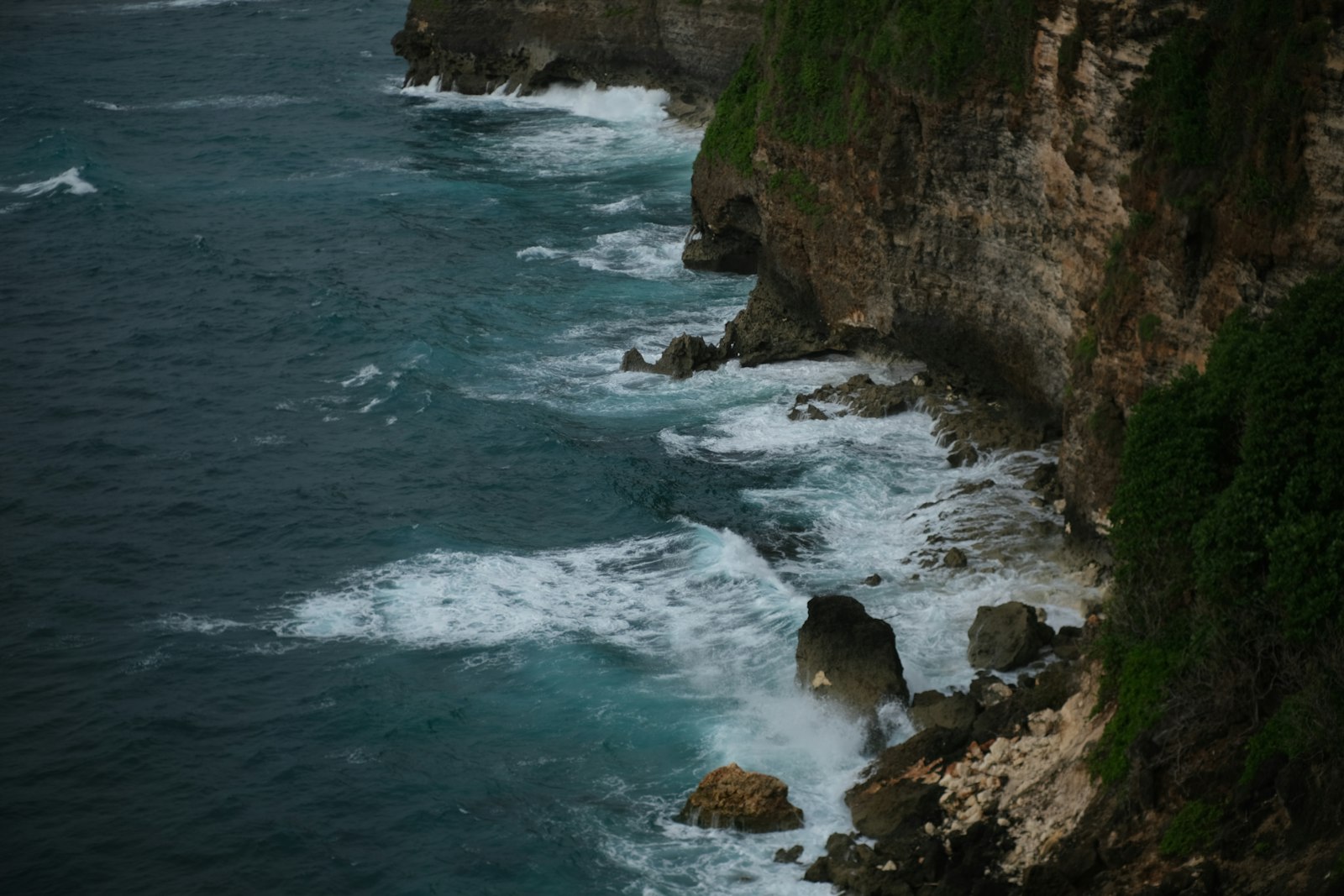
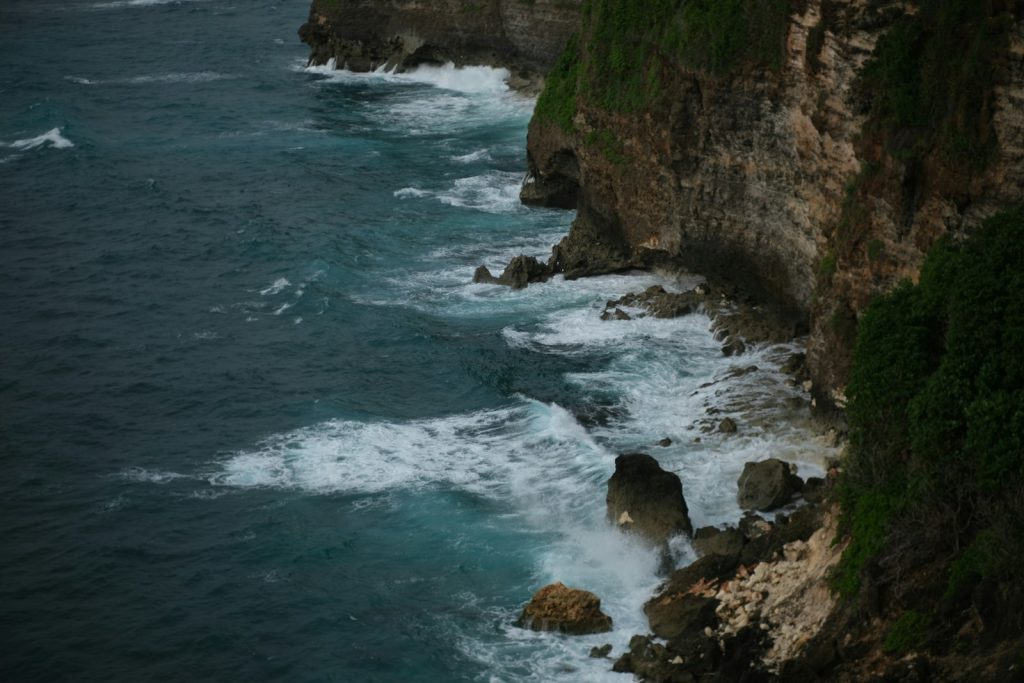
How to read this: Sumba Destination Wedding is an independent wedding-curation guide — we research and compare cliffside, beach, resort and intimate settings on Sumba, then route your enquiry to a vetted planning partner. We are not a wedding planner, venue, resort or booking platform, and any property named (including well-known names) is a neutral example only, not a claim of endorsement or affiliation. Legal marriage requirements for foreigners in Indonesia are complex — this is general information, not legal advice; always verify current rules with the relevant authorities. Costs are by quote and vary by season, party size and logistics; figures here are indicative ranges only.
Sumba weather month by month wedding planning on this island works differently from almost anywhere else in Indonesia — and understanding the pattern is the most useful thing you can do before picking a date. It is a hot, semi-arid tropical climate with a sharply defined dry half-year and a wet half-year, separated by brief shoulder windows that can go either way. For ceremony planning, that clarity is a gift: if you understand the calendar, the decisions become straightforward. If you do not, you can end up with an outdoor clifftop ceremony in February wondering why nobody mentioned the rain. This guide works through every month honestly, so you know exactly what you are choosing.
The big picture first: the best months wedding Sumba weather favours are June through August, with July and early August standing out as the driest and most photogenic. May and early September are solid fallbacks. Everything from October through April sits somewhere on a spectrum from marginal to inadvisable for outdoor ceremonies — not impossible, but requiring contingency plans that the prime window does not.
Sumba’s Climate: What Makes It Different
Most couples arrive expecting something like Bali — humid, tropical, green year-round. Sumba is a different proposition. Sitting in East Nusa Tenggara roughly 600 kilometres southeast of Bali, it receives significantly less annual rainfall than the island most visitors know: the northeast of Sumba gets around 800 to 1,000 mm per year (estimated), the central highlands 1,000 to 1,500 mm, and the southwest coast — where the main wedding-capable properties sit — roughly 1,500 to 2,000 mm. Those are regional estimates; microclimates vary. For comparison, Bali typically receives 1,500 to 3,000 or more millimetres depending on the part of the island.
The difference is not just in total rainfall but in how it falls. Sumba concentrates its rain into a discrete wet season; outside those months, it is genuinely dry in a way that parts of Bali rarely are. That concentration is what makes the dry season so reliable for outdoor events.
There is also a meaningful difference between east and west Sumba. East Sumba — the savannah country around Waingapu, served by Umbu Mehang Kunda Airport (WGP) — has a shorter wet season, roughly December through March. West and southwest Sumba, where the coast-facing properties are and where most destination weddings happen, has a longer wet period that can stretch from November through April. The difference of four to six weeks on either end is worth knowing before you assume the season timings you read about for Waingapu apply to a clifftop venue on the southwest coast.
Month-by-Month Breakdown: Sumba Wedding Weather
All temperature figures are estimated regional ranges; conditions vary by location, elevation, and year. Sumba rainfall by month wedding planning is best understood as a seasonal risk band. The best months for a wedding in Sumba given the weather are reliably mid-June through late August; knowing when to avoid rain, Sumba ceremony planning being the core concern, is the other half of that same decision. Individual years vary and microclimate matters more than island-wide averages, but the pattern is consistent enough to plan around with confidence.
| Month | Rain Risk | Daytime High (est.) | Night Temp (est.) | Savannah Look | Wind & Sea | Wedding Verdict |
|---|---|---|---|---|---|---|
| January | Very high — peak wet | ~30–32°C | ~22–25°C | Deep green, lush | Calmer seas; variable wind | Covered venues only |
| February | Very high — peak wet | ~30–32°C | ~22–25°C | Deep green, waterfalls full | Calmer; Pasola season | Covered only; Pasola conflict risk |
| March | High; tapering east first | ~30–32°C | ~22–25°C | Green; drying slowly east | Transitional; SE building | Risky — also Pasola season |
| April | Moderate; east clearing, west still variable | ~30–33°C | ~22–24°C | Green fading to mixed | SE wind building | Possible in east; check west carefully |
| May | Low–moderate; rain mostly cleared | ~30–33°C | ~20–24°C | Mixed green and gold | SE moderate; seas settling | Good shoulder — minor residual risk |
| June | Very low from mid-month | ~30–33°C | ~20–23°C | Gold and drying | SE monsoon strengthening; south coast roughening | Excellent from mid-June |
| July | Very low | ~30–33°C | ~18–22°C | Golden–brown savannah at peak | SE monsoon full strength; south coast rough | Prime month — plan wind-proof décor |
| August | Very low | ~30–33°C | ~18–22°C | Golden; dramatic dry-season skies | SE monsoon strong; south coast rough | Prime month — same wind caveats |
| September | Low; late-month first storms possible | ~32–35°C | ~20–24°C | Golden–brown; very dry | SE easing; south coast still rough early | Good early; use first 2–3 weeks |
| October | Rising; pre-rain heat builds | ~33–36°C | ~22–25°C | Brown; first green flush starting | SE weakening; seas calming | Marginal — heat and building rain |
| November | High; wet season approaching or begun | ~33–36°C | ~22–25°C | Brown transitioning to green | Variable; wet-season pattern returning | Poor for outdoor |
| December | High — wet season under way | ~30–32°C | ~22–25°C | First flush of green | Calmer seas; storms possible | Covered venues only |
January and February: Peak Wet, Maximum Green
January and February are the wettest months on Sumba. Afternoon storms are common and can be prolonged. The hills turn a deep, almost theatrical green. Waterfalls run full. Morning light through low cloud has its own kind of beauty. None of that changes the fundamental planning reality: scheduling an outdoor ceremony in these months, on a clifftop or beach, is a genuine gamble.
Temperatures are not the issue — daytime highs around 30 to 32°C are warm but not oppressive, and humidity, though higher than the dry season, is manageable. The issue is the rain itself, and the logistical knock-on effects. Roads in rural Sumba can become difficult in heavy rain. Vendor transfers from Tambolaka Airport to remote west-coast properties take longer when surfaces are wet. A covered backup venue is not optional in January and February — it is the plan.
February also introduces a second variable: Pasola. This is a sacred mounted spear-throwing ritual tied to the harvest cycle and the appearance of nyale sea worms along the coast. It occurs in West and Southwest Sumba, typically sometime in February or March, on dates set each year by local ritual authorities according to the lunar calendar. Exact dates are not announced far in advance and are not fixed year to year. Pasola is not a tourist performance — it is a significant sacred event for the communities that practise it. Scheduling your wedding to overlap with Pasola in the surrounding villages means road disruption, community attention directed elsewhere, and local vendors with prior cultural obligations. If your dates fall anywhere near February in west Sumba, talk to a local coordinator early and be prepared to be flexible.
March: Rain Tapering, but Slowly
March sits in the tail of the wet season. In East Sumba, the rain can begin tapering meaningfully by mid-to-late March — the shorter wet cycle in the east means Waingapu and the surrounding savannah dry out sooner. West Sumba, however, often still catches significant rain through March. The southeast trade wind is building but has not yet reached the strength it will carry in July.
Pasola can still fall in March, adding the same scheduling complications as February. The practical guidance: if your venue is in west or southwest Sumba — which describes the overwhelming majority of destination wedding properties on the island — treat March with the same caution as February until you have confirmed conditions with someone on the ground. If your dates are firmly in March for unavoidable reasons, a fully functional rain contingency is non-negotiable.
April: The Hinge Month
April is genuinely variable and depends heavily on which part of the island you’re in. East Sumba can be clearing meaningfully by now — the savannah around Waingapu is drying, and a late April east-side ceremony carries much lower rain risk than the same date in the west. West and southwest Sumba still has residual wet-season moisture through April, with occasional late showers possible into the first half of the month.
Temperatures are climbing — daytime highs around 30 to 33°C — but the pre-rain humidity of October and November has not yet returned, so the heat is manageable. The landscape is in transition: some green hills remain, but the grasses are beginning to dry and turn. It is a mixed visual palette that some couples find more interesting than either the deep green of January or the stark gold of July.
April is feasible, but it requires a site-specific conversation about which coast your venue faces and what the historical pattern looks like at that particular location. A covered rain backup remains advisable.
May: Shoulder Season, Worth Considering
By May, most of the island has cleared. Rain risk is low to moderate — most years, genuine afternoon storms have stopped, though a late wet-season shower in the west is not entirely impossible in the first two weeks. The southeast monsoon wind is building but has not reached the strength it carries in July. Seas are settling.
The landscape in May is one of the more interesting options on the calendar: a genuine mix of remaining green and advancing gold, with some hillsides still holding moisture while the grasses dry around them. It lacks the pure golden drama of July, but it has its own textured quality that photographs well when light is right.
Temperatures are comfortable — around 30 to 33°C in the day, dropping pleasantly at night. If the prime June-to-August window is unavailable or priced beyond your reach, May is a thoughtful alternative. Be clear with your venue about what rain contingency looks like, and confirm whether specific late-month dates in your target year have any weather pattern to flag. A local coordinator with recent experience on that specific stretch of coast is more valuable here than general seasonal guidance.
Thinking through whether your preferred May dates are a good bet for the southwest coast? Our enquiry form is the fastest route to a candid answer, or reach us on WhatsApp at +62 811-3941-4563 — we can give you a specific read based on your venue location and month.
June: The Dry Season Opens
June is where the calendar turns decisively. From mid-June onward, rain risk on Sumba drops to very low. The southeast monsoon — driven by high pressure over Australia — is establishing itself, which means clear skies, consistent wind, and the beginning of the golden savannah aesthetic that defines the island’s visual identity.
Early June carries a small carryover risk of a late wet-season shower on the southwest coast; mid-June to late June is reliable. By the end of the month, conditions are essentially those of July. Daytime highs run around 30 to 33°C. Nights in June are pleasant — often 20 to 23°C at the coast, cooler inland.
The southeast monsoon is strengthening through June. On exposed south-facing cliffs and beaches, the wind is noticeable — not yet at July’s full strength, but real. Décor planning for outdoor ceremonies should account for wind from the start. South-coast seas are roughening through June; by late June, south-facing beaches are not calm swimming conditions.
June weddings have one significant advantage over July and August: vendor availability. The absolute peak of the Indonesian dry-season travel and event calendar is July and August, and experienced fly-in photographers, florists, and planners get booked early for those months. A late June wedding can sometimes offer the same weather conditions with marginally more flexibility in vendor scheduling.
July: The Prime Month
July is the driest month on Sumba’s calendar. The southeast monsoon is at full strength, which simultaneously produces the island’s most reliable weather and its most challenging wind conditions. Rain risk is as close to zero as a tropical island gets. Skies are clear from dawn. The light in late afternoon — warm, directional, slightly golden — is what outdoor wedding photographers come specifically to Sumba for.
The savannah is at its most characteristic in July. Dry grasses run golden and brown across the limestone hills. Traditional village megalithic tombs sit against bleached grass and clear blue sky. If the visual Sumba you saw in a magazine or on a photographer’s website was taken in the dry season, there is a reasonable chance it was July or early August. This is the landscape.
The caveats are real. The SE monsoon wind on exposed south-coast cliffs is not a gentle background element — it can be strong enough to topple light ceremony structures, scatter table centrepieces, and send veils in directions that require significant patience to manage photographically. Candles will not stay lit without wind-proof enclosures. Florists building elaborate arrangements need to know what they are working in. Properties positioned to the west or north, or below cliff lines rather than on top of them, are considerably more comfortable than exposed south-facing sites. Have a frank conversation with your coordinator about wind direction and strength specifically at your ceremony location in July — the experience varies significantly between venues.
South-coast seas are rough July through September. A beach ceremony on a south-facing strip can still work — the wave action adds drama — but guests swimming at sunset is not part of this picture. West-facing or north-facing beaches have calmer conditions.
Nights in July are one of the underrated pleasures of the month. Inland and at elevation, temperatures can drop to the high teens — 18 to 20°C. Even at the coast, July nights usually sit in the low twenties, which means long outdoor dinners are genuinely comfortable rather than requiring relief from the heat.
August: Prime Window Continues
August is effectively July’s twin. Rain risk remains very low. The southeast monsoon continues at full strength. The savannah is at peak golden-brown. Photography conditions are outstanding. The same wind caveats apply with equal force.
One practical consideration: late August begins the transition toward early September, and in some years the very end of the month sees the first hint of changing conditions. If your event spans a weekend that straddles late August and early September, late August is the more reliable side. Early-to-mid August is the safer pick if you want maximum predictability.
August is high season for Indonesian domestic tourism, which means Tambolaka Airport can be busier than it appears from the outside and resort availability at premium properties should be confirmed well in advance. Fly-in vendors from Bali will have competing commitments; book them early.
September: Good, With a Late-Month Caveat
Early September inherits August’s stability. Rain is still unlikely. The savannah remains golden. For a ceremony in the first two to three weeks of September, the weather picture is strong.
Two things shift as September progresses. First, temperatures rise. September marks the beginning of the pre-rain heat build, and daytime highs can push to 32 to 35°C — noticeably warmer than July or August. In East Sumba, which has been documented reaching 36°C in October, the pre-rain heat arrives earlier. Guests who are sensitive to heat will feel the difference. Scheduling ceremonies in the late afternoon and keeping midday activities under shade or indoors becomes more important.
Second, late September is when the first storms of the returning wet season have historically made appearances. Not every year, and not uniformly across the island, but often enough that experienced local coordinators treat late September as a transitional zone rather than a reliable extension of dry season. If you are choosing September, aim for dates before the 20th and build a rain contingency into your contracts regardless — it may not be needed, but it should exist.
The southeast monsoon eases through September. Wind on south-facing sites is still present but moderating. South-coast seas remain rough through most of the month, easing toward October.
October and November: The Difficult Months
October and November are the hottest and increasingly risky months on Sumba’s calendar. The pre-rain heat builds steadily — daytime highs across the island can reach 33 to 36°C, with East Sumba hitting the upper end. The humid build-up that precedes the wet season makes this heat feel more oppressive than the dry-season warmth of July, even at the same nominal temperature.
Rain risk rises through October and by November can be significant. The pattern is often dramatic late-afternoon storms — the kind that clear quickly but arrive without much warning and are heavy while they last. An outdoor ceremony booked for 4pm in November is genuinely vulnerable in a way that the same ceremony in July is not.
These months have some appeal: the pre-rain skies produce extraordinary cloud formations and dramatic light at golden hour, the seas are calming after the SE monsoon, and the first flush of green returning to the savannah has its own visual interest. But this is the planning reality, not a case for choosing these months. If October or November is your only option, you need a fully operational covered venue as the default plan — not a backup — and a local coordinator with direct experience of how that specific venue performs in pre-rain conditions.
December: Wet Season Returns
December marks the return of the wet season. Rain becomes increasingly frequent and heavy. The landscape begins its green transformation. Temperatures ease slightly from the October–November heat but humidity rises.
A December wedding on Sumba is feasible only with the full infrastructure of a covered venue and a rigorous wet-weather plan. The visual trade-off runs exactly opposite to what most couples want: the landscape is transitioning toward green but also catching the first serious storms of the season. West Sumba, where the main wedding properties operate, can begin receiving meaningful rain in late November — December is firmly inside that pattern.
If December is unavoidable, work with a property that has genuine covered ceremony and reception space, not just a tented backup. And manage guest expectations honestly: Sumba in December is not the golden-savannah island of the editorial images.
The Golden vs Green Trade-off: Say It Plainly
This deserves its own section because it comes up in almost every planning conversation, and the trade-off runs in a direction that surprises people.
The Sumba that appears in wedding photography — golden savannah, bleached limestone cliffs, brown grass under deep blue sky, horses moving across open hills — is the dry-season Sumba. That landscape is at its most distinctive from roughly June through October, peaking in July and August.
The green Sumba — deeply vegetated, waterfalls at full volume, hills a rich emerald — exists January through March. It is beautiful. It is also the same period when outdoor weddings are most exposed to rain.
There is an overlap zone: late April through May, the landscape is transitioning — some green remains, grasses are drying to gold, and the rain risk is declining without yet being negligible. Some couples actively prefer this mixed palette. It has a different, perhaps less dramatic visual quality, but it is genuinely interesting photographically when the light cooperates.
The transition into wet season — October and November — also produces a mixed look as the first green flush returns to brown hills. But this direction of travel carries rising heat and rain risk, which makes it a harder planning environment than the spring transition in May.
Know which Sumba you are choosing. The golden savannah and the lowest rain risk happen to coincide, which is fortunate. But if the green landscape is genuinely important to you, the honest answer is that you will be accepting higher weather risk to get it.
Temperature and What Guests Will Actually Feel
Daytime highs across the dry season run around 30 to 33°C. That is warm, but the low humidity of the SE-monsoon months makes it feel meaningfully less oppressive than the same temperature in a wetter environment. Guests who have spent time in tropical humidity before will notice the difference. The SE wind provides natural cooling on ceremony sites, even as it complicates décor planning.
Nights in July and August are genuinely comfortable — inland Sumba can drop to 18 to 20°C, coast-side stays in the low twenties. This is one of the dry season’s underappreciated assets: long outdoor dinners and reception evenings work well when the temperature drops after sunset rather than sitting stubbornly at 28°C all night.
The hottest part of the year is not the dry season — it is October and November, the pre-rain build. East Sumba has been recorded at up to 36°C during this period. If any of your guests have significant heat sensitivity, those months are the ones to avoid; July and August are kinder by several degrees and far lower in humidity.
Wet-season temperatures (December through March) hover around 30 to 32°C in the day, with higher humidity. The heat itself is not extreme, but the combination of warmth and humidity makes covered spaces more important for guest comfort, especially in the afternoon.
Wind, Sea, and South-Coast Ceremony Sites
The Australian SE monsoon — the wind system that drives Sumba’s dry season — deserves more attention than most planning guides give it. It is strongest from June through August, with July typically the most consistent. On south-facing ceremony sites: clifftops, open beaches, and exposed garden terraces facing the Indian Ocean, this wind is a real planning factor. It is not dangerous, but it is strong enough to require active management in your décor and logistics planning.
A few practical implications. Light ceremony structures — fabric-covered arbours, floral arches built from wire frames, tall candelabras — need anchoring or redesigning for wind resistance. Candlelit table settings require enclosed lanterns or the candles will not stay lit. Veil and gown shots require working with the wind rather than against it — an experienced photographer will know how, but it takes more time than a calm-day setup. Long runs of paper or fabric table runners will need weights.
Properties that are positioned to the west or north, or that sit below cliff lines with wind-breaks provided by the terrain or vegetation, experience significantly less wind than sites directly on south-facing cliffs. This is not an argument to avoid the dramatic cliff settings that make Sumba distinctive — it is an argument to ask your venue coordinator specifically about wind exposure at the exact location of your ceremony and to plan your décor accordingly.
South-coast seas are too rough for swimming from July through September, as the SE monsoon swell pushes in from the Indian Ocean. A beach ceremony on a south-facing strip can still work aesthetically — the wave action adds drama — but guests expecting a calm-water sunset swim after the ceremony will not find it during those months. West-facing beaches and sheltered lagoons, like Weekuri on the west coast, are calmer options.
Regional Differences: Northeast, Southwest, East
Sumba is a large island — 10,909 km² across four regencies — and weather patterns are not uniform across it.
- Northeast Sumba
- The driest part of the island. Estimated annual rainfall around 800 to 1,000 mm — roughly half what the southwest receives. Shorter wet season, quicker to clear in autumn. If your event involves the northeast coastal area, your weather window is a little wider on both ends.
- West and Southwest Sumba
- Where most wedding properties operate. Annual rainfall estimate 1,500 to 2,000 mm, mostly concentrated in the wet season. Wet season extends a few weeks longer than the east — treat the western window as starting no earlier than mid-May and closing by mid-October. This is the region that contains the coast-facing luxury and boutique properties; the weather guidance in this article is primarily written for this region.
- East Sumba (Waingapu area)
- Shorter wet season, roughly December through March. Dries out a few weeks earlier in spring and holds dry conditions a little later into autumn. Open savannah character, accessed via Waingapu Airport (WGP). A wedding in east Sumba in late April or early October carries lower rain risk than the same dates on the southwest coast. See our getting-there guide for the airport logistics, including the important note that the overland drive between Tambolaka and Waingapu is approximately 250 to 300 km and takes six to eight or more hours — it is not a day transfer between venue areas.
- Central Sumba
- Higher elevation, cooler nights. Annual rainfall in the middle range, roughly 1,000 to 1,500 mm. Less relevant for most wedding venues, which concentrate on the coast, but worth knowing if your itinerary includes village visits inland.
Pasola and the Ritual Calendar: What Couples Need to Know
Pasola is a sacred ritual of West and Southwest Sumba — mounted spear-throwing on horseback, tied to the nyale sea-worm harvest and the broader cycle of Marapu ancestral belief. It takes place typically in February and March, on dates set each year by local ritual authorities according to the lunar calendar. Exact dates are not published in advance and shift year to year.
Two reasons this matters for wedding planning. First, scheduling a wedding to coincide with Pasola period in the surrounding village area creates genuine friction — roads may be redirected, local community members have cultural obligations, and staff who would otherwise be coordinating your event are part of a living ritual tradition. The conflict is not abstract. Second, and more broadly, Sumba’s event calendar includes Marapu ceremonies, harvest rites, and adat obligations throughout the year that a local coordinator would know about and flag. An international planner working remotely may not have this intelligence.
The practical advice: choose the dry-season window and the Pasola conflict disappears entirely. Pasola is a February–March phenomenon; your June–August wedding has no overlap. If your dates for unavoidable reasons fall in February or March, work with a coordinator who has ground-level knowledge of the specific area of your venue and is able to confirm in the weeks before your event whether any ritual activity is scheduled nearby. This is exactly the kind of local intelligence that the difference between a good and a mediocre planning partner comes down to.
More broadly: Sumba is alive with traditional practice. Ask your coordinator whether any local village rituals fall near your date, particularly if your venue is adjacent to or within walking distance of a traditional kampung. This is a mark of respect, not a scheduling inconvenience.
A Practical Planning Summary
For the decision itself, here is the honest ranking.
- Mid-June to late August — the prime window
- Very low rain risk. Golden savannah at peak. Dry, clear skies. Cool nights. Strong SE wind on exposed south-coast sites — plan décor accordingly. South-coast seas rough July–September. Photography conditions outstanding. Vendor competition is high; book early.
- May — good shoulder
- Rain mostly cleared, small residual risk remains. Mixed green-to-gold landscape. Wind building but manageable. Comfortable temperatures. Often easier for vendor availability than July–August peak.
- Early September — good, with a heat caveat
- Stable weather in the first two to three weeks. Warmer than July (32–35°C). Late-September first storms possible — use dates before the 20th. Southeast wind easing. A solid alternative when the prime window is full.
- April — possible with care
- East Sumba clearing; west still variable. Mixed landscape. Require confirmed rain contingency. Location-specific guidance essential.
- October and November — marginal
- Hottest period. Rain risk rising. Pre-rain humidity. Feasible only with a fully covered primary venue and strong contingency plan. Not a recommended first choice.
- December through March — wet season
- Outdoor ceremonies are high-risk. Green and lush; waterfalls full. Covered venues only. February–March adds Pasola scheduling complexity in west Sumba. Suitable only for couples with a complete wet-weather infrastructure and no attachment to the golden-savannah aesthetic.
Our more detailed season guide — covering the big-picture case for the dry window and the nuanced logic of when and why — lives on the best time to get married in Sumba page. This calendar breakdown and that season guide are designed to be read together; the season page goes deeper on the venue and wind specifics, while this one gives you the month-by-month granularity for date planning.
If you’re working backward from a venue shortlist or a guest-availability window and want a candid read on what a specific set of dates means in practice — wind exposure, landscape condition, historical rain pattern for that stretch of coast — send us a note via our enquiry form or WhatsApp us at +62 811-3941-4563. We know the island well enough to tell you when a given month is a good bet and when it carries real risk. No one pays us to tell you a difficult month is fine.
Frequently Asked Questions
What are the best months for a wedding in Sumba based on weather?
Mid-June through late August is the prime window: very low rain risk, clear skies, golden savannah, and cool nights. July stands out as the driest and most photogenic month. May and early September are solid alternatives — slightly more risk on either end but still manageable with proper planning. Everything from October onward carries increasing heat and rain risk that makes outdoor ceremonies genuinely vulnerable.
How much rain does Sumba get by month, and when is the wettest period for a wedding?
Sumba’s rainfall is heavily concentrated in the wet season. Peak rain falls December through February — these are the months to avoid for outdoor ceremonies without a covered backup. March is tapering but still risky, particularly in west Sumba. The island’s annual rainfall varies significantly by region: northeast Sumba receives an estimated 800 to 1,000 mm per year (one of the drier parts), while the southwest coast — where most wedding properties are — receives roughly 1,500 to 2,000 mm, most of it during the November-to-April wet season. All figures are regional estimates; verify conditions locally before finalising dates.
When should we avoid rain for our Sumba ceremony, and what are the actual risks?
The question of when to avoid rain Sumba ceremony planners need to dodge is clear: avoid December through March for any outdoor ceremony that cannot move indoors. October and November carry rising risk with additional heat stress. September is reliable in the first two to three weeks; late September is a known transition point where early storms have appeared in some years. The risk is not evenly distributed: west Sumba has a longer wet season than east Sumba by several weeks on either end, so a venue on the southwest coast needs a more conservative date window than a venue near Waingapu in the east.
Does Sumba wedding weather change between the east and west of the island?
Yes, meaningfully. East Sumba around Waingapu has a shorter wet season — roughly December through March — and dries out earlier in spring. West and southwest Sumba, where most destination wedding properties sit, has a longer wet period that can extend from November through April. The difference is roughly four to six weeks on either end of the season. If your venue is on the southwest coast, use the conservative window in this guide; if your itinerary includes the eastern side, you may have a slightly wider calendar to work with. Always confirm with your specific venue.
What is Pasola and does it affect Sumba wedding planning?
Pasola is a sacred mounted ritual — spear-throwing on horseback, tied to the harvest cycle and Marapu ancestral belief — that takes place in West and Southwest Sumba. It typically falls in February and March, on dates set by local ritual authorities according to the lunar calendar; exact dates vary year to year and are not published far in advance. Pasola is not a tourist event; it is a living sacred ritual with real community significance. Planning a wedding during Pasola period in the surrounding area can create genuine logistical and cultural friction — roads, local staff availability, and community attention may all be affected. Choosing the June-to-August dry season window eliminates the conflict entirely.